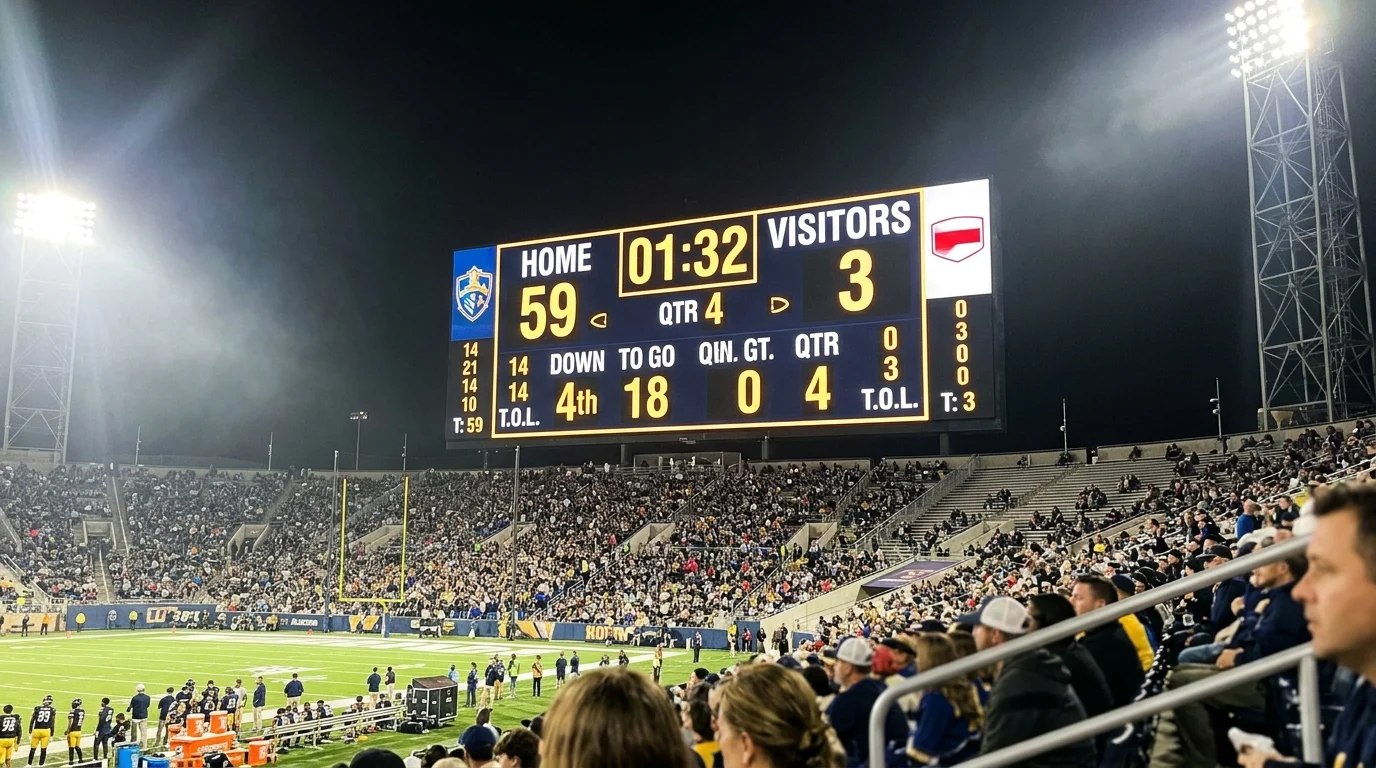
Quick Answer: A rout is a crushing, disorderly defeat. As a noun, it means a battle, game, or election that one side loses badly and in confusion. As a verb, to rout someone is to defeat them completely and send them fleeing. In short, that is rout meaning.
Rout is a word for the kind of defeat that is not close and not dignified. It is the match that is over by half-time, the army that breaks and runs, the election that was never in doubt. Sports commentators love it, historians use it, and it adds drama to any report of a one-sided contest. That is rout meaning in brief.
This guide explains what rout means in plain language, covering its noun and verb uses, its second verb sense of digging or searching out, and the confusion with the similar-sounding word route. The explanations follow standard dictionary definitions, with examples that show the word in real contexts.
What Does Rout Mean as a Noun?
As a noun, a rout is an overwhelming defeat, often followed by a disorderly retreat. The key ingredients are scale and confusion: the losing side does not simply lose, it collapses. “The match turned into a rout” means the result stopped being competitive and became one-sided.
The phrase “put to rout” is common in history and in sports writing. It means to defeat a group so completely that they flee in disorder. You will also see “the rout was on,” meaning the one-sided defeat had begun and was clearly underway.
Rout can also, less commonly, mean a disorderly crowd or rabble, a sense that survives mainly in older writing. In modern use, the defeat sense dominates.
What Does Rout Mean as a Verb?
As a verb, to rout is to defeat decisively. “The home team routed their rivals” means they beat them heavily, not narrowly. The verb carries the same sense of collapse as the noun: the losers were not just beaten, they were overwhelmed.
Rout has a second, unrelated verb sense: to dig, search, or poke around, as an animal does with its snout. Pigs routing in the earth are digging for food. From that sense comes the phrase “rout out,” meaning to find something by searching, or to force someone out of a hiding place: “She routed out her old school books” or “They routed him out of bed at midnight.” This sense is related to “root,” and it is a different word history from the defeat sense, even though the spelling is the same.
Rout vs Route: A Common Confusion
Rout and route are pronounced the same in many accents, which causes frequent mix-ups. They are different words with different meanings, and spelling is the only reliable distinction in writing.
- Rout: a crushing defeat, or to defeat completely. “The election was a rout.”
- Route: a way or course taken to get somewhere, or to send something along a path. “The bus route runs through town.”
A useful check: if you can replace the word with “defeat,” you want rout. If you can replace it with “path” or “way,” you want route. The verb “routing” also belongs to both words, which is why “routing a package” means sending it along a path, while “routing an opponent” means defeating them.
Rout Meaning in Sports, War, and Politics
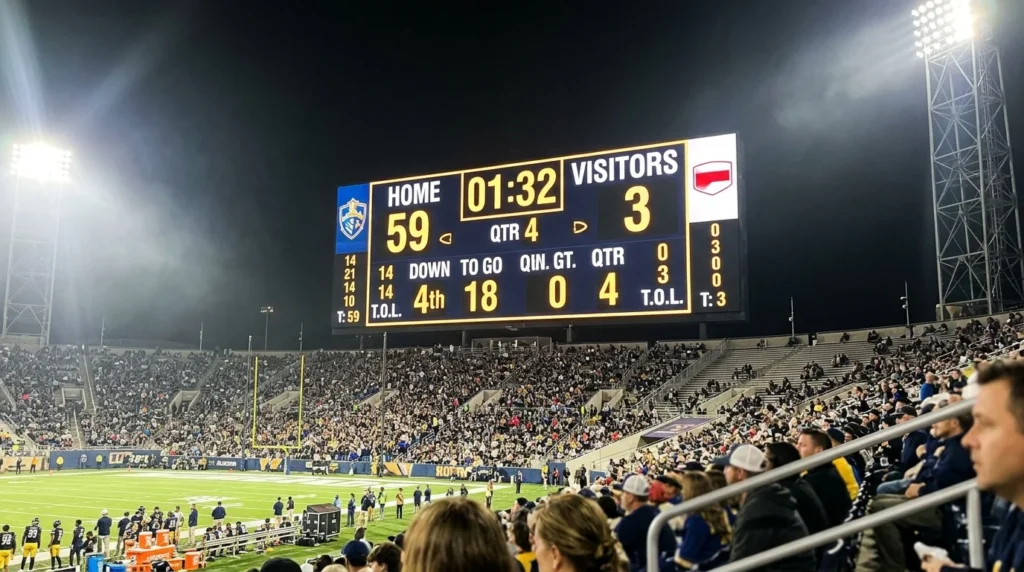
Rout appears most often in three settings. In sports, it describes a game that becomes one-sided early, and commentators use it to signal that the contest is effectively over. In military history, it describes an army breaking formation and fleeing, which is often the decisive moment of a battle. In politics, it describes an election won by a very large margin, where the losing side’s support collapses.
Across all three, the word does more than report a loss. It reports the manner of the loss: sudden, total, and disorderly. A team can lose narrowly and keep its pride. A rout takes that away, which is why the word is strong and should be used only when the defeat really was overwhelming. For example, a one-sided final score is often called a rout.
Frequently Asked Questions
What does rout mean in simple words?
In simple words, a rout is a very bad, one-sided defeat, where the losing side collapses rather than just losing narrowly.
Is rout a noun or a verb?
Both. As a noun, a rout is the defeat itself. As a verb, to rout is to inflict that defeat on someone.
What is the difference between rout and route?
Rout means a crushing defeat. Route means a path or way taken. They sound alike in many accents but are spelled differently and mean different things.
What does “put to rout” mean?
It means to defeat a group so completely that they flee in disorder, as an army broken in battle or a team overwhelmed in a game.
What does “rout out” mean?
Rout out means to find something by searching, or to force someone out of a place, as in routing out old papers from a drawer or routing someone out of bed.
Conclusion
So, what does rout mean? At its core, it means a defeat so complete that order breaks down with it. Whether it is a team, an army, or a political party, a rout is not just a loss: it is a collapse. Keep it distinct from route, use it only for genuinely one-sided defeats, and it will add real force to your writing whenever the result was never close. In addition, that is rout meaning in full.
Related: What Does Antonym Mean? Definition, Types and Examples Explained and What Does Gist Mean? Simple Definition, Examples and How to Use It.


1 thought on “What Does Rout Mean? Definition, Examples and Rout vs Route Explained”