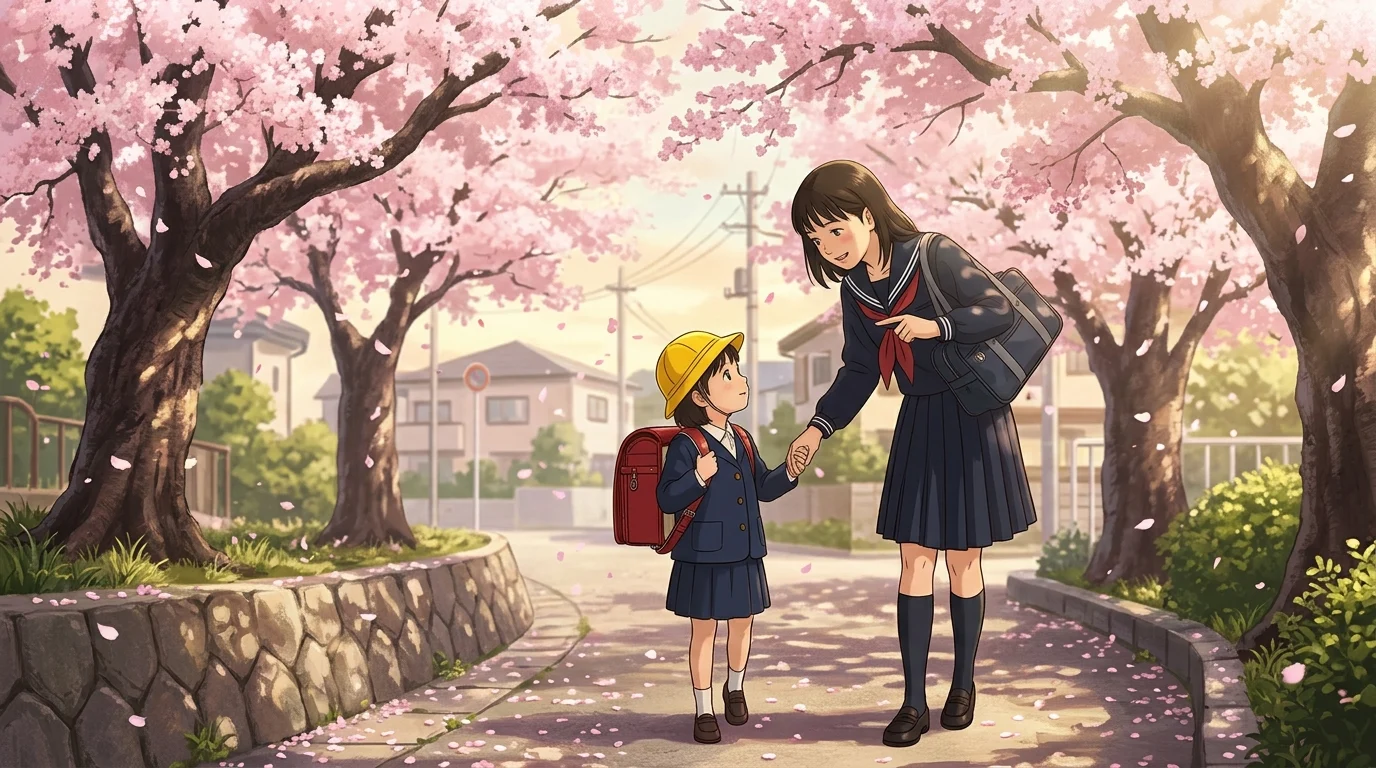
Quick Answer: Senpai is a Japanese word for a senior: someone who joined a school, club or workplace before you. A senpai is expected to guide and look out for their juniors, called kohai, who in turn show respect.
If you watch anime or follow Japanese culture online, you have heard “senpai” long before anyone explained senpai meaning. It turns up in school stories, in sports clubs, in workplace dramas and in the famous plea “notice me, senpai.” But the word itself is older and more ordinary than its internet fame suggests: it is a basic part of how Japanese groups organise seniority.
This guide explains senpai meaning properly, from its Japanese roots and the senpai-kohai relationship to its life in anime fandom. It draws on standard Japanese usage and widely documented cultural practice, and it separates the real social role from the meme.
Senpai Meaning: What Does Senpai Mean?
Senpai, written 先輩, means a senior or upperclassman: someone who is ahead of you in a group because they joined earlier. The word is built from two characters: sen, meaning before or ahead, and hai, meaning companion or cohort. Put together, it means roughly “one who is ahead in the group.”
What counts is usually time in the group, not age alone. A student one year above you is your senpai. A colleague who joined the company a year before you is your senpai, even if you are older. In school sports clubs, in workplaces and in martial arts schools, the distinction shapes daily life.
The opposite term is kohai, written 後輩, meaning a junior: someone who joined after you. Every senpai is someone else’s kohai, and the roles shift as people move through a group. The pair is the basic unit of Japanese seniority, and it appears at every level of education, in sports, in business and in social clubs.
The Senpai-Kohai Relationship
Senpai and kohai is not just a pair of labels. It is a relationship with expectations on both sides, somewhat like mentoring, though looser than the Western mentor-protege idea.
A kohai is expected to speak politely to a senpai, to listen to their advice, and to help with tasks. In a school sports club, juniors may traditionally handle chores such as cleaning equipment or tidying the clubroom, and they may have limited chances to play until they become senpai themselves. A senpai, in return, is expected to guide, teach and protect their kohai, to share experience, and to look out for them within the group.
The relationship often lasts. People stay in touch with school or club senpai long after graduation, and the seniority does not simply vanish when the original setting ends. In workplaces, a senpai may remain a trusted adviser even after both people have moved on. That durability is one reason the words matter so much in Japanese social life.
It is also worth noting that senpai is used as a title. People address a senior as, for example, “Tanaka-senpai,” with the name first and senpai after it. It sits among other Japanese honorifics: san is the neutral polite title, sensei is used for teachers, doctors and masters, and senpai marks seniority within a shared group.
Senpai in Martial Arts and Work
In Japanese martial arts, senpai usually means a senior student, often one holding a black belt, who helps the teacher, or sensei, with younger students. The senpai demonstrates technique, corrects beginners and sets an example of discipline. Here the hierarchy is explicit and tied to rank and experience.
In companies, the senpai-kohai pattern appears in onboarding and daily work. A new employee’s senpai shows them routines, introduces them to clients and explains unwritten rules. Japanese workplaces have formal training too, but the senpai relationship supplies the informal guidance that manuals cannot. As in schools, the senior is expected to take responsibility for the junior’s progress, not merely to outrank them.
Senpai in Anime and Internet Culture
Outside Japan, most people meet senpai through anime and manga, where school settings make the word unavoidable. A character’s senpai might be an admired upperclassman, a club captain, a rival or a crush. The word signals respect and a gap in experience, and stories use that gap for comedy, drama and romance.
From anime came the phrase “notice me, senpai,” a joking plea for attention from an admired senior, often a crush. Online, it became a meme used far beyond its original setting, sometimes by people who do not know the word’s ordinary meaning. In fandom, senpai is also used playfully as a nickname or handle, detached from any real hierarchy.
That playful use is fine, but it is not the word’s home meaning. In Japanese daily life, senpai is not a romantic title or a joke. It is a normal, respectful way of describing who came first in a group.
A small spelling note: you may also see “sempai.” That is an alternative romanisation reflecting how the sound changes before p in Japanese pronunciation. Senpai is the more standard spelling in English today.
Examples of Senpai in Sentences
- My senpai in the tennis club taught me the serve when I joined as a first-year.
- At work, Tanaka-senpai showed me how the team handles client reports.
- As a kohai, she cleaned the clubroom after practice and learned from her senpai.
- In the dojo, the senpai students help the sensei teach beginners.
- “Notice me, senpai” became a running joke among fans of the show.
Frequently Asked Questions
What is senpai meaning in simple terms?
In simple terms, senpai means a senior: someone who joined your school, club or workplace before you, and who is expected to guide you while you show them respect.
What is the opposite of senpai?
The opposite is kohai, meaning a junior: someone who joined the group after you. Every senpai is also someone else’s kohai.
Is senpai a romantic word?
Not originally. In Japanese life it is a normal term for a senior. Anime and internet culture added a romantic or crush-related flavour through stories and the “notice me, senpai” meme, but that is a fandom use, not the basic meaning.
What is the difference between senpai and sensei?
Senpai is a senior within your own group, such as an upperclassman or an earlier colleague. Sensei is a teacher, doctor or master, a figure of professional authority rather than a fellow group member.
Is it senpai or sempai?
Both spellings appear. Senpai is the standard romanisation in English today; sempai reflects the way the sound shifts before p in Japanese pronunciation.
Conclusion
So, what is senpai meaning? It means a senior who came before you in a shared group, and it names a relationship, not just a rank. The kohai respects and learns, the senpai guides and protects, and the bond often outlasts the school, club or job where it began. Anime made the word famous and gave it a playful second life online, but its real home is the everyday seniority system of Japanese life, where knowing who your senpai is tells you a great deal about where you stand.


