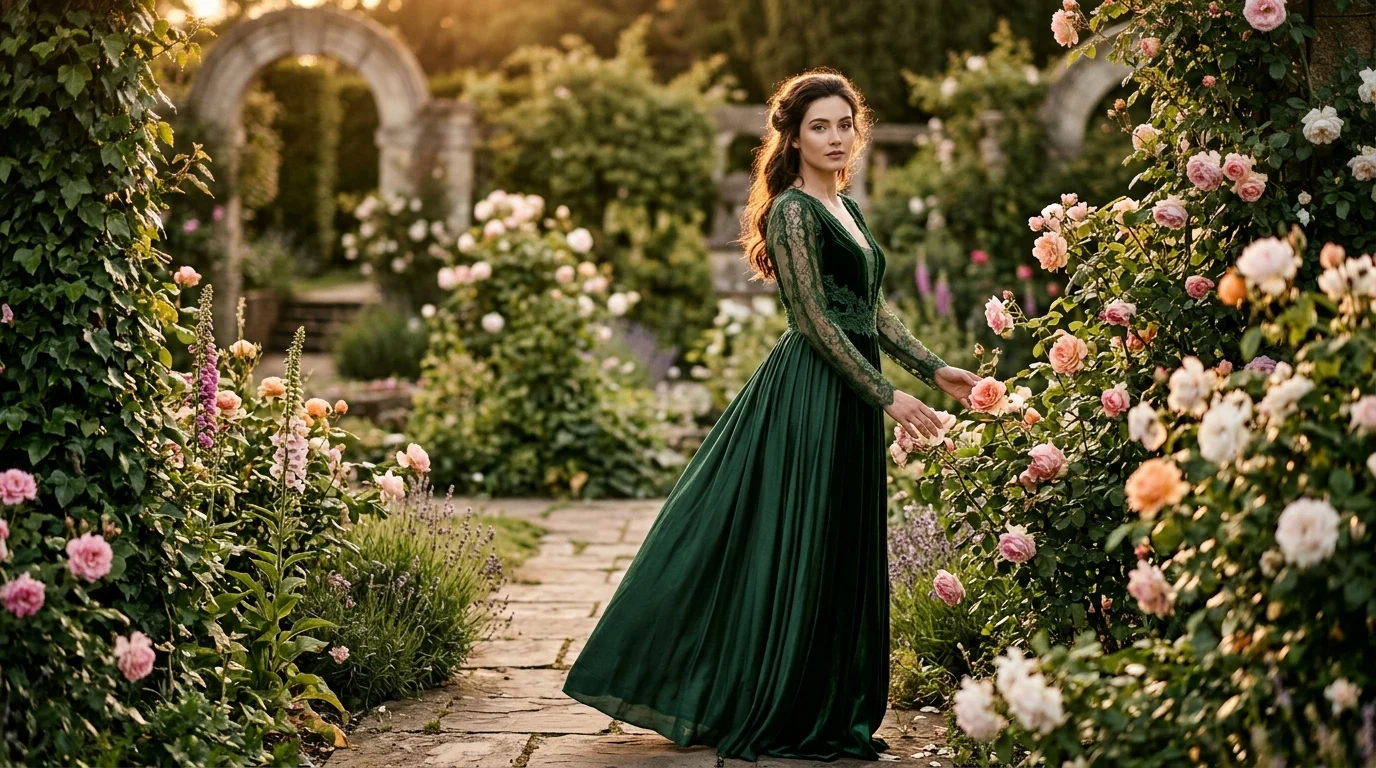
Quick Answer: Pulchritudinous means physically beautiful. It is a rare, formal, and rather grand way of saying that a person is very good-looking, and it is often used with a touch of humour because the word itself sounds anything but beautiful.
Pulchritudinous is one of the great jokes of the English language. It means beautiful, yet it looks and sounds like it should mean something unpleasant, perhaps a skin condition or a bad mood. That mismatch is exactly why people love it, and exactly why so many people search for its meaning after meeting it in a book, a quiz, or a word game.
This guide explains what does pulchritudinous mean in plain language, how to pronounce it, where it came from, and when it is actually worth using instead of a simpler word.
What Does Pulchritudinous Mean?
Pulchritudinous is an adjective meaning physically beautiful or comely. Dictionaries define it simply: having great physical beauty. It is most often used of people, and it carries a formal, almost old-fashioned flavour. A pulchritudinous stranger in a novel is a strikingly handsome or beautiful person, described in deliberately elevated language.
The word is rare in everyday speech. Most people go their whole lives without hearing it spoken aloud, and it turns up mainly in writing: in novels, in word lists, in crossword-adjacent trivia, and in jokes about long words. When it does appear in conversation, it is usually for comic effect, because deploying a fifteen-letter word to say “good-looking” is itself a kind of performance.
It is worth noting one small point of usage. Some dictionaries note that the word is especially used of women, but it is not restricted to women, and it can describe any person of striking physical beauty. The safest way to use it is simply to mean a beautiful person, without assuming anything else about them.
How Do You Pronounce Pulchritudinous?
The pronunciation is pul-kruh-TOO-di-nuhs, with the stress on the third syllable. Said slowly, it breaks down as pul-chri-tu-di-nous, five syllables in total. The “ch” is pronounced like a “k,” as in “character,” not like the “ch” in “church,” which is one reason the word trips people up on first sight.
Part of the word’s charm is that it is hard to say smoothly. The cluster of consonants at the start feels clumsy in the mouth, which makes the contrast with its meaning even funnier. If you want to use it aloud, practise it a few times first: pul-kruh-TOO-di-nuhs.
Where Does Pulchritudinous Come From?
Pulchritudinous comes from the Latin word pulchritudo, meaning beauty, with the adjective ending -ous added to mean “full of.” Pulchritudo itself comes from pulcher, the Latin word for beautiful. The shorter noun pulchritude, meaning physical beauty, entered English in the 1400s, while the longer adjective form became established in American English in the 1800s.
Writers of that period enjoyed long, Latinate words, and pulchritudinous was exactly the kind of word used to show off a vocabulary or to poke fun at pretentious writing. Washington Irving used it in the 1830s alongside other unnecessarily grand words, in a passage mocking an advertisement. That humorous tradition has stuck to the word ever since.
The joke, then, is built into the word’s history. Latin gave English a perfectly respectable word for beauty, and English speakers turned it into a punchline by making it as long and awkward as possible.
Why Does a Word for Beauty Sound So Ugly?
There is no deep linguistic reason why pulchritudinous sounds unpleasant to modern ears. It is mostly a matter of association. Words beginning with “pul” remind English speakers of words like “pulp” and “pulpy,” and the crowded consonants feel heavy rather than graceful. Compare it with a word like “beautiful,” which flows easily, or “lovely,” which sounds soft.
This mismatch makes pulchritudinous a favourite example in discussions of sound and meaning. Linguists call the general idea sound symbolism: the feeling that certain sounds suit certain meanings. Pulchritudinous is often held up as a word that breaks the pattern, a beautiful meaning trapped in an unlovely shell. Whether you find that funny or frustrating probably depends on how much you enjoy long words.
When Should You Use Pulchritudinous?
Honestly, in most situations you should not. If your goal is to be understood quickly, “beautiful,” “gorgeous,” or “stunning” will do the job far better. Pulchritudinous is a word for special occasions: a playful essay, a word game, a joke among language lovers, or a piece of writing that is deliberately showing off.
There are two cautions worth keeping in mind. First, many readers will not know the word, so using it without context risks confusion rather than admiration. Second, because it describes physical appearance, it is best used lightly and kindly. Calling a stranger pulchritudinous to their face is likely to baffle them, even if the meaning is flattering.
Used well, though, it is delightful. A sentence like “the pulchritudinous heroine swept into the room” tells a reader two things at once: that the character is beautiful, and that the writer is having fun.
Pulchritudinous in a Sentence
- The novel opens with a pulchritudinous stranger arriving in the village, much to everyone’s distraction.
- He described the actress as pulchritudinous, then had to explain what the word meant to the whole table.
- For a word meaning beautiful, pulchritudinous is remarkably hard on the ears.
Frequently Asked Questions
What does pulchritudinous mean in simple terms?
In simple terms, pulchritudinous means physically beautiful. It is a grand, formal way of saying someone is very good-looking.
How do you pronounce pulchritudinous?
It is pronounced pul-kruh-TOO-di-nuhs, with the stress on “too” and a hard “k” sound for the “ch.”
Is pulchritudinous a compliment?
Yes. Despite sounding harsh, it is a compliment. It means beautiful, and it is usually used playfully rather than seriously.
Where does pulchritudinous come from?
It comes from the Latin pulchritudo, meaning beauty, plus the ending -ous. The related noun pulchritude, meaning physical beauty, is much older in English.
Can pulchritudinous describe things as well as people?
It is mainly used for people. For landscapes, art, or objects, simpler words like beautiful or gorgeous are more natural and more common.
Conclusion
So, what does pulchritudinous mean? It means physically beautiful, full stop. The delight of the word is everything around that simple definition: its Latin roots, its awkward five syllables, and the joke that the ugliest-sounding word in the dictionary means the prettiest thing. Learn it, pronounce it with confidence, use it sparingly, and enjoy the look on people’s faces when they realise what it means.


