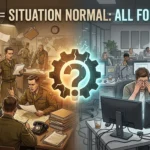
Quick Ans: SNAFU meaning is one of the most searched questions about modern acronyms and contemporary vocabulary. In contemporary contexts, SNAFU refers to a situation characterized by chaos, confusion, or disarray, typically resulting from a mistake or malfunction. The term is an acronym for “Situation Normal: All Fucked Up.” This term has become a standard concept in workplace culture, military discussions, and everyday conversations about things going wrong. Understanding this term helps you grasp why chaotic situations occur and why precise language matters in modern communication.
Understanding modern terminology helps you follow cultural trends and interpret discussions about workplace challenges and life’s unpredictable moments. New questions about word meanings appear constantly, and some become cultural touchstones. SNAFU is a perfect example. It has moved from military slang into mainstream media and everyday conversation. Knowing how to use it correctly helps you understand references in workplace discussions, news reports, and casual conversations about things going wrong.
What Does SNAFU Mean?
SNAFU is an acronym that describes a chaotic, confused, or disorganized situation. The term combines “Situation Normal: All Fucked Up,” creating a phrase for circumstances that are messed up but accepted as standard operating procedure.
The term belongs to both casual and professional communication. It fits perfectly in discussions about workplace challenges, military operations, project management, and everyday life mishaps. It also appears in news reports when describing chaotic events or systemic failures. The tone can be humorous, resigned, or critical.
Sometimes people confuse it with “fubar” or “clusterfuck.” Other times they use it correctly to describe a general state of confusion or dysfunction. All versions relate to the same general concept. The distinction usually depends on the specific context and the exact phrasing.
The concept carries significant cultural and historical weight. It connects to military history, workplace dynamics, and evolving attitudes toward imperfection and chaos. Understanding the meaning helps you follow discussions about organizational culture and interpret news stories about systemic problems.
Where Did the Term Come From?
The SNAFU origin traces back to World War II American military slang. The term combines “situation,” “normal,” “all,” “fucked,” and “up.” The concept was popularized through military culture, wartime cartoons, and eventually mainstream journalism.
The concept itself reflects older observations about chaos and disorder. Disorganized situations have existed throughout history in various forms. As modern militaries and bureaucracies grew more complex, people created the term to address what they saw as predictable dysfunction.
The term gained prominence in the 1940s as military culture evolved and soldiers refined their understanding of wartime chaos. Some commentators adopted SNAFU language because they emphasize the humor and resignation of dealing with unavoidable problems. This distinction matters because someone can technically face a minor inconvenience while still feeling overwhelmed by systemic failure.
The concept spread through military communications, wartime publications, and pop culture. Fields like organizational psychology, management theory, and comedy incorporated SNAFU concepts into their frameworks. The term became a symbol of bureaucratic absurdity, workplace frustration, and the gap between plans and reality.
SNAFU in Legal Contexts and Media
The term has appeared in countless workplace articles and news reports across every medium. Understanding these appearances helps you see how the concept evolved.
Military literature discussing SNAFU dates back to the 1940s and has been revised numerous times. The field has enacted significant changes in recent years, including updated communication protocols and operational planning models. The term became a standard part of military vocabulary.
Educational institutions increasingly reference SNAFU and organizational dynamics. Schools distinguish SNAFU from simple mistakes and maintain specific procedures for crisis management, team training, and operational efficiency education.
News media frequently uses SNAFU when reporting government failures and corporate mishaps. Headlines like “Budget SNAFU Leaves Agencies Scrambling” are common in political news. The term spread through journalism as a concise way to describe chaotic situations.
Management professionals use SNAFU in training sessions, project debriefs, and organizational documentation. The term serves practical purposes in workplace communication, providing a standardized reference to dysfunctional situations.
The Psychology Behind SNAFU
Modern psychology and organizational theory offer explanations for why people experience and perpetuate SNAFU situations. Understanding these theories helps separate scientific concepts from emotional reactions.
Acceptance of chaos. Organizational theorists believe SNAFU situations are normalized to cope with systemic dysfunction. The emphasis on expecting problems, maintaining humor, and accepting imperfection discourages frustration. This can protect individuals but also prevent improvement.
Emotional relief. Some psychologists emphasize the cathartic purpose of SNAFU language. The goal is not just description but emotional release through humor and shared experience. This aligns with the brain’s interest in finding levity in stressful situations.
Group bonding. Some advocates believe SNAFU language reinforces team cohesion. The person is held responsible for maintaining morale and shared perspective. This reflects workplace expectations about resilience and camaraderie.
Systemic critique. Many SNAFU discussions include potential for reform. Practitioners often recommend root cause analysis, process improvement, and transparent communication. This recognizes that problems can be addressed rather than merely endured.
Cultural norms. Different organizations have varying attitudes toward mistakes and dysfunction. SNAFU can shape cultural norms by clearly defining acceptable chaos. Over time, these norms can become internalized and change expectations about competence and planning.
SNAFU vs FUBAR vs Clusterfuck
These terms are often confused. Understanding the differences helps you use them correctly.
SNAFU refers to a chaotic situation that is considered normal or expected. The term is used across many contexts and emphasizes resigned acceptance. This distinction can matter because SNAFU situations are often routine and manageable.
FUBAR stands for “Fucked Up Beyond All Recognition.” The term is used when describing catastrophic and irreparable situations. The exact definition varies by context.
Clusterfuck stands for a chaotic situation involving multiple failures and poor decisions. The term is used when describing large-scale incompetence or coordination failures. The choice between SNAFU, FUBAR, and clusterfuck often reflects severity differences rather than substantive ones.
In casual conversation, people sometimes use these terms interchangeably. A colleague might say “It’s a total SNAFU” when they actually mean FUBAR or clusterfuck. This is common but technically imprecise. The distinction usually depends on the specific severity and recoverability of the situation.
SNAFU in Modern Culture
The concept has moved beyond military forums. Today it appears in workplace media, self-deprecating humor, and everyday language.
SNAFU in news. Political news reports frequently mention SNAFU and government dysfunction. The term has become shorthand for bureaucratic chaos in media coverage.
SNAFU in wellness campaigns. Organizations use the term in awareness efforts about burnout and workplace stress. The goal is to educate the public and improve work-life balance.
SNAFU in education. Universities and schools teach SNAFU concepts as part of history, organizational behavior, and communication courses. The term appears in textbooks, case studies, and research.
SNAFU in online discussions. People discuss SNAFU experiences and workplace advice on social media and forums. The term appears in conversations about corporate life, mental health, and resilience.
In business and employment. SNAFU dynamics can affect team morale, project outcomes, and corporate culture. The term appears in discussions about leadership failures and operational challenges.
When to Use the Term SNAFU
The term works in several different situations. Its precision makes it valuable in workplace and social contexts.
The most common usage is in workplace settings. A colleague, manager, or consultant might reference a SNAFU. The tone is often humorous and resigned.
Another common usage is in news reporting. A journalist might write “The rollout was a SNAFU” to describe a chaotic launch. The tone is informative and slightly critical.
The term also appears in educational discussions. A speaker might discuss “SNAFU dynamics” or “organizational dysfunction.” The tone is educational and analytical.
The word can also be used in casual conversation. Someone might say “My week has been a complete SNAFU” when discussing their personal life. The tone is conversational and self-deprecating.
How to Use SNAFU in a Sentence
Using the term correctly helps you communicate clearly. Here are some examples.
As a noun: “The entire project was a SNAFU from start to finish.” This is the most common usage. It describes a chaotic situation.
In a workplace context: “A SNAFU often results from poor communication and unclear roles.” This usage draws on the term’s organizational origins.
In news reporting: “Experts warn that SNAFU situations can damage public trust.” This is a journalistic usage.
In education: “The course explores how SNAFU moments affect team performance.” This is an educational usage.
Plural form: “SNAFUs are increasingly common in complex organizations.” The plural is common, and the term is widely used in both singular and plural forms.
FAQs
What does SNAFU mean?
SNAFU describes a chaotic, confused, or disorganized situation. It is an acronym for “Situation Normal: All Fucked Up.” It is a term referring to circumstances that are messed up but accepted as standard.
Is SNAFU the same as FUBAR?
SNAFU and FUBAR are similar but not identical. SNAFU emphasizes normalcy and resignation while FUBAR focuses on catastrophic and irreparable damage. The exact definitions and usage vary by context. Some people use SNAFU, others use FUBAR or clusterfuck.
What happens in a SNAFU?
SNAFU experiences vary by person and situation. It can include miscommunication, technical failures, poor planning, and cascading errors without clear resolution. The arrangement typically lacks clear accountability and future prevention.
Can a SNAFU be fixed?
In many contexts, yes. Because SNAFU focuses on normal dysfunction, some situations resolve when people communicate clearly and implement better processes. Examples include projects that recover after leadership changes and teams that improve after identifying root causes.
Can SNAFUs be emotionally healthy?
Validation varies by situation. Some SNAFUs work well when people maintain humor and perspective, while others cause anxiety and burnout. The evidence depends on the specific people, the context, and the quality of communication.
Conclusion
The SNAFU meaning is clear and culturally significant. It refers to a chaotic, confused, or disorganized situation that is accepted as normal. You can use it in workplace discussions, news reporting, and casual conversations. It is a term that connects modern organizational culture to historical military slang. When you see SNAFU in a news report or hear the term in conversation, you now know exactly what it means. Use it with precision, and your understanding of this important concept will deepen.
Discover More:
- Hallelujah Meaning: The Complete Guide to This Powerful Word of Praise 2026
- Arrears Meaning: The Complete Guide to This Important Financial Term 2026