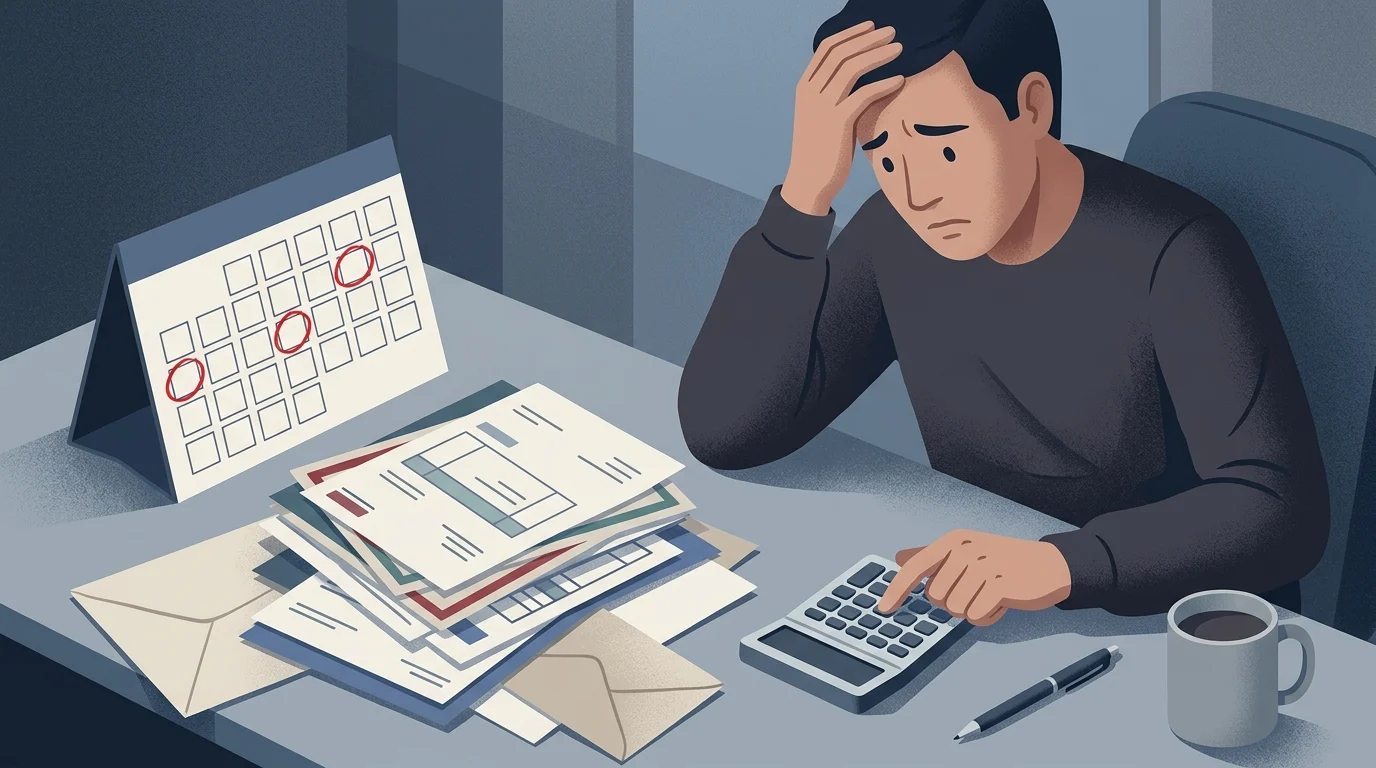
Quick Ans: Arrears meaning is one of the most searched questions about personal finance and money management. In simple terms, arrears refers to money that is owed and should have been paid earlier. It describes a situation where payments are behind schedule. This term appears in loan agreements, rental contracts, tax documents, and child support orders. Understanding it helps you manage your finances and avoid serious consequences.
Understanding financial terms helps you navigate loans, bills, and legal obligations. New questions about money appear constantly, and some become important touchstones. Arrears is a perfect example. It has moved from banking jargon into everyday financial conversations. Knowing how to use it correctly helps you protect your credit and your peace of mind.
What Does Arrears Mean?
Arrears means money that is owed and overdue. When you are “in arrears,” you have missed one or more scheduled payments. The term applies to almost any recurring financial obligation.
The word belongs to both casual and formal financial communication. It fits perfectly in loan discussions, rental agreements, and budget planning. It also works in legal and business contexts. The tone is neutral and factual.
Sometimes people say “in arrears” and other times they say “arrears” as a noun. Both versions refer to the same situation. The choice usually depends on the sentence structure.
The term carries no profanity, which makes it safe for any setting. However, being in arrears can carry serious consequences, including fees, damaged credit, and legal action.
Where Did the Word Arrears Come From?
The arrears origin traces back to the Latin word “retro” and the Old French word “arere.” The French term meant “behind” or “in back.” It entered Middle English as “arrerage” in the 14th century.
The word originally referred to any unpaid debt or obligation. Over time, it became specifically associated with overdue payments on loans, rent, and taxes. The legal and financial meaning has remained consistent for centuries.
Today, arrears appears in banking, real estate, family law, and government tax collection. It is a standard term in contracts and legal documents worldwide.
Arrears in Different Financial Contexts
Arrears applies to many different types of payments. Understanding these contexts helps you recognize when the term applies to your situation.
Mortgage arrears. When you fall behind on your home loan payments, you are in mortgage arrears. Lenders may charge late fees and report the missed payments to credit bureaus. If arrears continue, foreclosure becomes possible.
Rent arrears. When you fall behind on rent, you are in rent arrears. Landlords may charge late fees, issue warnings, or begin eviction proceedings. Many jurisdictions have specific rules about how landlords must handle rent arrears.
Child support arrears. When a parent falls behind on court-ordered child support, the unpaid amount is called child support arrears. This can lead to wage garnishment, license suspension, and even jail time in severe cases.
Tax arrears. When you owe back taxes to the government, you are in tax arrears. Tax authorities may charge interest and penalties. They can also place liens on property or garnish wages.
Utility arrears. When you fall behind on electricity, water, or gas bills, you are in utility arrears. Service providers may disconnect service and require full payment before reconnecting.
Credit card arrears. When you miss minimum payments on credit cards, you are in arrears. This damages your credit score and triggers high penalty interest rates.
Arrears vs Behind on Payments
Several other phrases overlap with arrears in meaning. Understanding the differences helps you use the right term.
Behind on payments is the casual equivalent. It describes the same situation without the legal or formal tone. Arrears is more specific and often carries legal weight.
Overdue describes a payment that has passed its due date. Arrears describes a pattern of missed payments or an accumulated debt.
Delinquent is a stronger term. It often appears in credit reporting and legal contexts. Delinquent accounts are seriously overdue and may be sent to collections.
Default is the most serious stage. It occurs when you fail to meet the legal terms of a loan agreement. Default can trigger foreclosure, repossession, or lawsuit.
How Arrears Affects Your Credit
Being in arrears has serious consequences for your financial health. Understanding these effects helps you take action before the situation worsens.
Credit score damage. Missed payments are reported to credit bureaus after 30 days. Each missed payment lowers your credit score. A lower score makes it harder to get loans, credit cards, or even apartments.
Late fees and penalties. Lenders and landlords charge late fees for missed payments. These fees add up quickly and increase the total amount you owe.
Higher interest rates. When you are in arrears, lenders may raise your interest rate. This makes it even harder to catch up.
Legal action. In severe cases, creditors can sue you for the unpaid debt. If they win, they can garnish your wages or place liens on your property.
Eviction or foreclosure. If you are in rent or mortgage arrears, you could lose your home. Landlords can evict tenants. Lenders can foreclose on homes.
Service disconnection. Utility companies can disconnect service when you are in arrears. Reconnection often requires full payment plus fees.
How to Get Out of Arrears
Being in arrears feels overwhelming, but there are steps you can take to recover. Here is a practical guide.
Contact your creditor immediately. Do not wait. Most lenders and landlords are willing to work with people who communicate. Explain your situation and ask about payment plans.
Create a budget. Review your income and expenses. Identify areas where you can cut spending. Redirect that money toward catching up on arrears.
Negotiate a payment plan. Ask your creditor if you can spread the arrears over several months. Many are willing to accept partial payments rather than nothing.
Seek financial assistance. Government programs, charities, and religious organizations offer help with rent, utilities, and other bills. Do not be ashamed to ask for help.
Consider debt consolidation. If you have multiple debts in arrears, a consolidation loan may help. It combines your debts into one payment, often at a lower interest rate.
Consult a financial advisor. A professional can help you create a recovery plan. Nonprofit credit counseling services offer free or low-cost help.
Avoid new debt. Do not take on new loans or credit cards while catching up. Focus on paying down what you owe.
When Not to Use the Term Arrears
Arrears does not belong in every conversation. Its formal tone makes it less appropriate for some settings.
Avoid using arrears in casual conversation when simpler words work better. “Behind on payments” or “overdue” is clearer for most people.
Be careful when using arrears in emotional conversations. Telling a friend they are “in arrears” sounds cold and judgmental. A gentler phrase like “struggling with bills” is kinder.
In legal or financial documents, arrears is the correct term. Do not substitute casual language in formal contracts or court papers.
Why Understanding Arrears Matters
Arrears affects millions of people every year. Job loss, medical emergencies, and unexpected expenses can push anyone behind on payments. Understanding the term helps you recognize the problem early.
Early recognition leads to early action. The sooner you address arrears, the more options you have. Waiting makes the situation worse and limits your choices.
Financial literacy is a life skill. Knowing terms like arrears helps you navigate loans, leases, and credit agreements. It helps you ask the right questions and avoid costly mistakes.
Finally, understanding arrears reduces shame. Many people feel embarrassed about falling behind. Knowing that it is a common financial situation—and that solutions exist—makes it easier to seek help.
FAQs
What does arrears mean?
Arrears means money that is owed and overdue. When you are in arrears, you have missed one or more scheduled payments on a financial obligation.
What is the difference between arrears and debt?
Debt is any money you owe. Arrears is specifically money that is past due. All arrears is debt, but not all debt is in arrears.
How do I know if I am in arrears?
Check your account statements. If you have missed a payment or paid less than the full amount due, you are likely in arrears. Creditors often send notices before reporting to credit bureaus.
Can arrears be removed from my credit report?
Accurate late payment information stays on your credit report for seven years. You can negotiate with creditors to remove negative marks in some cases, but it is not guaranteed.
What happens if I do not pay my arrears?
Consequences vary by type of debt. They can include late fees, higher interest rates, credit score damage, legal action, wage garnishment, eviction, foreclosure, or service disconnection.
Is being in arrears a crime?
Being in arrears is a civil matter, not a criminal one in most cases. However, failing to pay court-ordered child support can lead to criminal charges in some jurisdictions.
Conclusion
The arrears meaning is clear and important. It describes money that is owed and overdue. You can encounter this term in loan agreements, rental contracts, tax notices, and child support orders. It is a formal financial term that carries serious consequences. When you see arrears in a document or hear it in a financial discussion, you now know exactly what it means. Use it with awareness, and your financial decisions will be better informed.
Discover More:-
- Exempt Meaning: This Word Means in Taxes Jobs & School 2026
- Visceral Meaning: Definition, Examples & Simple Explanation 2026











3 thoughts on “Arrears Meaning: The Complete Guide to This Important Financial Term 2026”