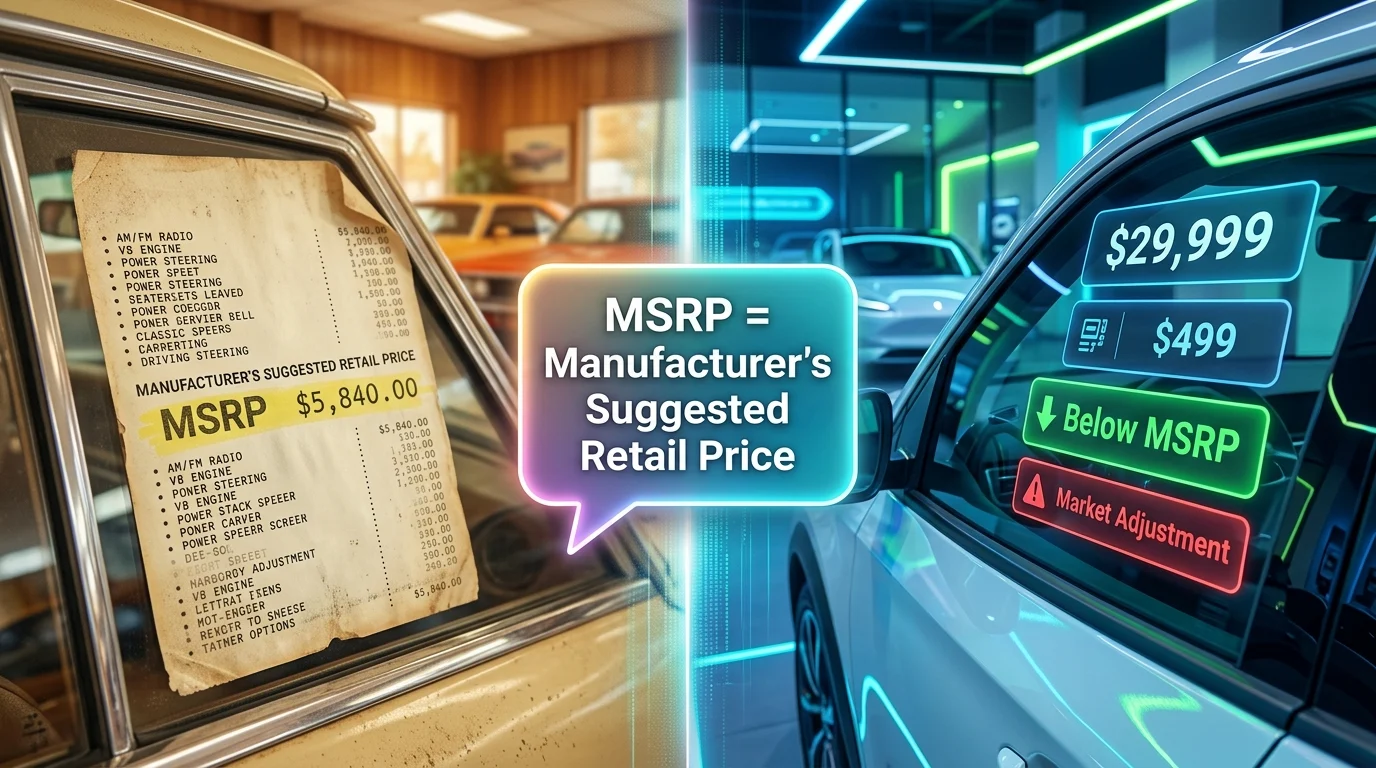
Quick Ans: MSRP meaning is one of the most searched questions about pricing, retail, and consumer shopping. MSRP stands for “Manufacturer’s Suggested Retail Price.” It refers to the price a manufacturer recommends a retailer charge for a product. This pricing concept has guided shoppers and businesses for decades. It appears on car window stickers, electronics listings, and product packaging. Understanding this term helps you grasp why the price you pay at checkout often differs from the number on the tag.
Understanding pricing terms helps you make smarter buying decisions and interpret retail discussions. New questions about product pricing appear constantly, and some become cultural touchstones. MSRP is a perfect example. It has moved from manufacturer catalogs into mainstream shopping conversations and consumer advocacy. Knowing how to use it correctly helps you negotiate better deals and understand references in advertising.
What Does MSRP Mean?
MSRP is the price a manufacturer recommends retailers charge for a product. The term comes from the automotive and retail industries and literally means “Manufacturer’s Suggested Retail Price.” It refers to a pricing guideline where the maker sets a benchmark for the market.
The term belongs to both casual and business communication. It fits perfectly in discussions about cars, electronics, and retail strategy. It also works in everyday conversation when comparing prices at dealerships or stores. The tone can be practical, analytical, or consumer-focused.
Sometimes people confuse it with the actual selling price. Other times they use it correctly to describe the sticker price. Both versions relate to product pricing. The distinction usually depends on whether the retailer follows the suggestion or sets its own price.
The concept carries deep economic significance. It connects to traditions of manufacturing, retail competition, and consumer protection. Understanding the meaning helps you appreciate its role in negotiations and advertising.
Where Did the Term Come From?
The MSRP origin traces back to American manufacturing and retail practices. The term is a combination of “manufacturer” (the maker of goods) and “suggested retail price” (the recommended selling amount). Together they describe a benchmark price set by the producer.
The concept itself is older than the acronym. Merchants and guilds set recommended prices for centuries. Ancient markets used agreed-upon pricing to protect both buyers and sellers. The industrial revolution expanded this practice to mass-produced goods.
The term entered common usage in the 20th century as automobiles and appliances became consumer staples. Manufacturers used MSRP to standardize pricing across dealers. It appeared on window stickers and catalogs as a reference point.
The concept spread through retail and consumer advocacy. Shoppers learned to compare MSRP with actual sale prices. The MSRP became a symbol of pricing transparency, negotiation, and market competition.
MSRPs in Shopping and Culture
The MSRP has appeared in countless transactions across every retail category. Understanding these appearances helps you see how the concept evolved.
Automotive window stickers became the most famous use of MSRP. Every new car displays the manufacturer’s suggested price alongside dealer costs. These stickers became a familiar sight for car buyers. It is one of the most recognized applications of the term.
Electronics and tech launches feature MSRP prominently. Companies like Apple and Sony announce MSRP at product events. These prices serve as anchors for discounts and promotions. The practice became a cultural touchstone for gadget enthusiasts.
Black Friday and holiday sales highlight the gap between MSRP and sale prices. Retailers advertise “up to 70% off MSRP” to attract shoppers. The strategy spread through advertising worldwide.
Online marketplaces like Amazon and eBay display MSRP alongside current prices. The comparison helps buyers judge value. The platforms popularized the term in e-commerce vocabulary.
Luxury goods often sell at or above MSRP due to high demand. Brands like Rolex and Hermès maintain strict pricing. The practice blurs the line between suggestion and control.
The Psychology Behind MSRP
Modern psychology offers explanations for why people react to MSRP. Understanding these theories helps separate pricing strategy from consumer behavior.
Anchoring effect. Some scientists believe MSRP works because the brain latches onto the first number it sees. The suggested price becomes a reference point. This can make discounts feel larger and more attractive.
Perceived value. This is a cognitive process where the mind associates higher MSRP with better quality. It can involve brand reputation, materials, or exclusivity. The perception is usually powerful and can drive purchases.
Negotiation leverage. Some theorists believe MSRP gives buyers a starting point for haggling. The shopper acts on information the seller provides. This aligns with the human tendency to seek fair deals.
Urgency and scarcity. Some people find “below MSRP” deals harder to resist. These promotions are usually time-limited rather than permanent. Many retailers use them for this reason.
Trust and transparency. Some brands use MSRP to signal honesty. These prices can feel like a fair benchmark. They are usually embraced rather than distrusted.
MSRP vs Actual Selling Price
These two terms are often confused. Understanding the difference helps you shop smarter.
An MSRP is a suggested price set by the manufacturer. It is often a benchmark for the market. It may be higher or lower than the final transaction. The suggestion is usually not legally binding.
An actual selling price is what the retailer charges. The term is used in receipts and negotiations. The price reflects demand, competition, and dealer costs. Examples include “dealer price” and “out-the-door price.”
In casual conversation, people use MSRP to describe any sticker price. A friend might say “I got it below MSRP” meaning they paid less than the suggested amount. This is a practical, non-technical usage.
MSRPs in Modern Culture
The concept has moved far beyond manufacturing. Today it appears in memes, social media, and everyday language.
MSRP memes. People post jokes about car dealership markups like “Market Adjustment: +$10,000 over MSRP.” The caption “MSRP means nothing anymore” is common on Twitter and Reddit. The humor comes from the frustration of paying above sticker.
MSRP accounts. On social media, deal-hunting pages track discounts from MSRP. They combine data to express savings and urgency.
MSRP week. This was a viral shopping trend where people shared their best “below MSRP” finds for big purchases. It spread across TikTok and Instagram.
In business. The term “MSRP strategy” describes brands like Apple or Tesla that set clear pricing benchmarks. It is used in marketing and pricing analytics.
In technology. “MSRP” is sometimes used for digital products, such as software licenses or subscription tiers. These raise discussions about value and fairness.
When to Use the Word MSRP
The term works in several different situations. Its flexibility is one reason it became so popular.
The most common usage is describing a manufacturer’s suggested price. A comment like “The MSRP is $29,999” is practical and descriptive. The tone is usually informative and neutral.
Another common usage is in negotiation or deal discussions. A story about buying a car below MSRP uses the term to explain savings. The tone is analytical and consumer-focused.
The term also appears in retail and marketing discussions. A teacher might ask about a “MSRP example” to understand pricing strategy. The tone is academic and exploratory.
The word can also be used metaphorically. A writer might call a premium product’s price a “luxury MSRP.” The tone is analytical and critical.
How to Use MSRP in a Sentence
Using the term correctly helps you communicate clearly. Here are some examples.
As a noun: “The MSRP for this laptop is $1,299.” This is the most common usage. It describes a manufacturer’s suggested price.
In a negotiation context: “According to the dealer, the MSRP includes destination fees.” This usage draws on the term’s retail origins.
In branding: “The company kept its MSRP low to attract budget shoppers.” This is a commercial usage.
In business: “The startup priced its device below MSRP to gain market share.” This is a strategic usage.
Plural form: “Dealers often list MSRPs for multiple trim levels.” The plural is MSRPs.
FAQs
What does MSRP mean?
MSRP stands for Manufacturer’s Suggested Retail Price. It is the price a manufacturer recommends retailers charge for a product. It can also describe the sticker price on a vehicle or electronic device.
Is MSRP real?
MSRP is a real pricing benchmark. It is set by manufacturers and used widely in retail. In everyday usage, the term describes prices like “29,999”or”499,” which are very real.
What is the difference between MSRP and actual selling price?
MSRP is a suggested price from the manufacturer. Actual selling price is what the retailer charges. The terms are often confused but have different meanings.
Can MSRP be a bad thing?
In most contexts, MSRP is useful and informative. However, in car buying, a poorly negotiated deal above MSRP can frustrate customers. Many people enjoy finding discounts below MSRP.
Conclusion
The MSRP meaning is clear and practical. It refers to the Manufacturer’s Suggested Retail Price, derived from manufacturing and retail traditions. You can use it in shopping discussions, negotiation analysis, and everyday conversation. It is a term that connects industrial pricing to modern consumer culture. When you see MSRP on a sticker or hear the word in conversation, you now know exactly what it means. Use it with curiosity, and your understanding of this clever concept will deepen.
Discover More:
- Visceral Meaning: Definition, Examples & Simple Explanation 2026
- Yeshua Meaning: The Powerful Name Behind Jesus 2026










2 thoughts on “MSRP Meaning: What It Stands For & Why It Matters 2026”