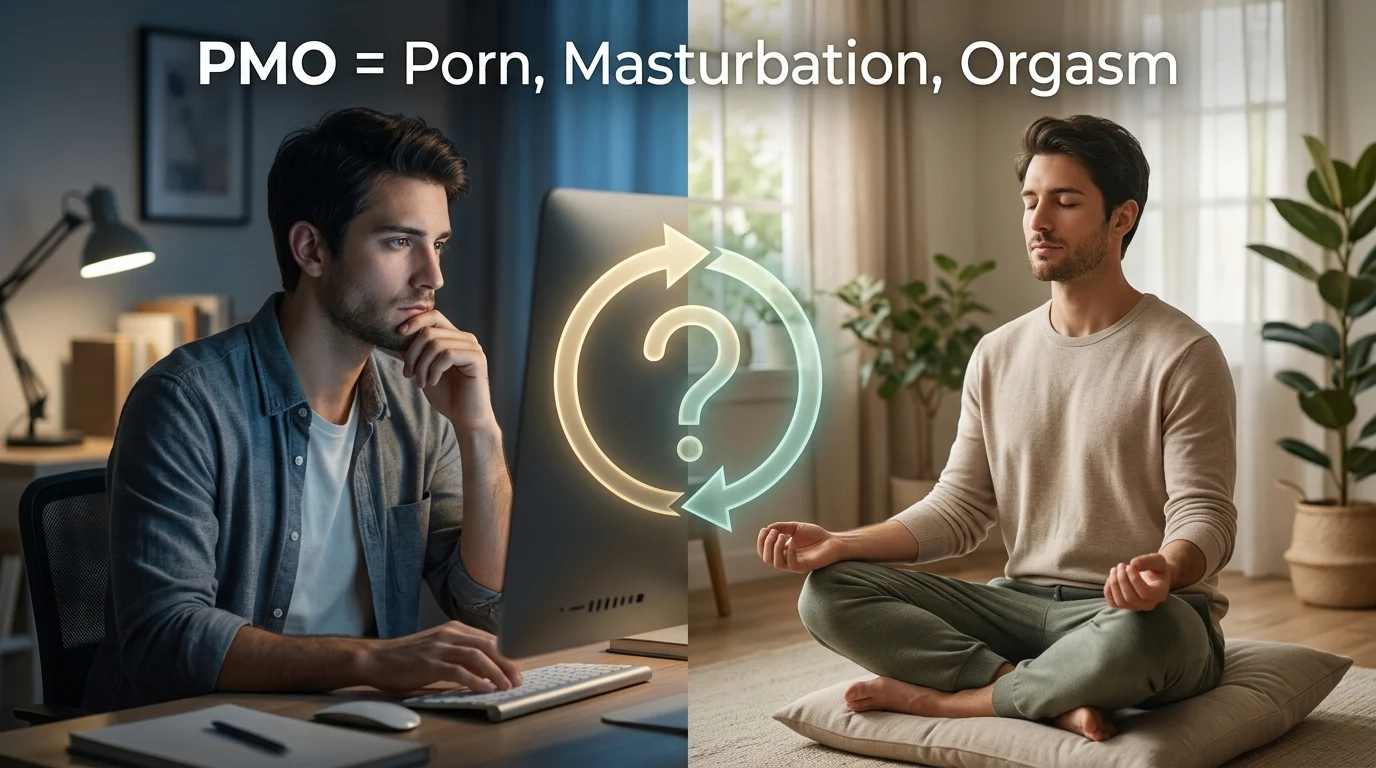
Quick Ans: PMO meaning slang is one of the most searched questions about modern internet terminology and contemporary digital vocabulary. In contemporary contexts, PMO refers to “porn, masturbation, and orgasm” in online self improvement and NoFap communities, though it can also stand for “Project Management Office” in business settings or “Prime Minister’s Office” in political contexts. This term has become a standard concept in internet culture, self help discussions, and personal wellness conversations. Understanding this term helps you grasp why digital wellness awareness varies across generations and why precise language matters in modern online communication.
Understanding modern terminology helps you follow internet trends and interpret digital discussions. New questions about word meanings appear constantly, and some become cultural touchstones. PMO is a perfect example. It has moved from niche forums into mainstream social media and everyday conversation. Knowing how to use it correctly helps you understand references in self improvement discussions and digital wellness campaigns.
What Does PMO Mean?
PMO is an abbreviation that describes different concepts depending on context. The term belongs to both casual and serious communication. It fits perfectly in discussions about digital wellness, habit formation, productivity, and personal wellbeing. It also appears in news reports when describing internet trends or generational shifts in online behavior. The tone can be serious, analytical, or empathetic.
Sometimes people confuse it with “NoFap” or “edging.” Other times they use it correctly to describe the specific combination of behaviors. All versions relate to the same general concept. The distinction usually depends on the specific context and the exact phrasing.
The concept carries significant emotional and cultural weight. It connects to changing digital practices, modern self improvement tools, and evolving attitudes toward online habits. Understanding the meaning helps you follow internet discussions and interpret news stories about digital wellness.
Where Did the Term Come From?
The PMO origin traces back to online communities developed in the early 2010s. The term combines “porn,” “masturbation,” and “orgasm” into a single abbreviation. The concept was popularized through NoFap forums, self improvement subreddits, and eventually mainstream social media.
The concept itself is older than the internet abbreviation. Discussions about compulsive sexual behavior have been documented throughout history in various forms. As online pornography became more accessible and internet communities formed, users created the term to address what they saw as a specific behavioral pattern.
The term gained prominence in the 2010s as digital wellness awareness evolved and people refined their understanding of online habits. Some commentators adopted PMO language because they emphasize the seriousness and prevalence of compulsive behaviors. This distinction matters because someone can technically experience occasional habits without PMO addiction while still feeling concerned about their digital wellness.
The concept spread through forums, YouTube videos, and pop culture. Fields like psychology, addiction counseling, and digital wellness coaching incorporated PMO concepts into their frameworks. The term became a symbol of modern self improvement culture, habit change, and generational shifts in digital literacy.
PMO in Legal Contexts and Media
The term has appeared in countless online articles and social media posts across every medium. Understanding these appearances helps you see how the concept evolved.
Online discussions mentioning PMO date back to the early 2010s and have been revised numerous times. The field has enacted significant changes in recent years, including updated moderation policies and community guidelines. The term became a standard part of internet vocabulary.
Educational institutions increasingly reference PMO and modern digital dynamics. Schools distinguish PMO from other abbreviations and maintain specific procedures for digital wellness education, student support, and online safety.
News media frequently uses PMO when reporting internet trends and digital wellness innovations. Headlines like “PMO addiction cases are on the rise among young adults” are common in technology news. The term spread through journalism as a concise way to describe compulsive online behaviors.
Healthcare professionals use PMO in clinical settings, patient consultations, and mental health documentation. The term serves practical purposes in therapeutic communication, providing a standardized reference to specific behavioral patterns.
The Science Behind PMO
Modern psychology and behavioral science offer explanations for why people develop and maintain PMO habits. Understanding these theories helps separate scientific concepts from emotional rationalizations.
Neurochemical reinforcement. Psychologists believe PMO is reinforced by dopamine release in the brain’s reward system. The emphasis on pleasurable neurochemical activity, rapid reinforcement, and habit loops discourages normal reward processing. This can protect the brain from overstimulation but also lead to dependency.
Behavioral conditioning. Some researchers emphasize the role of habit formation in PMO. The goal is not just behavior reduction but prevention of compulsive patterns. This aligns with the brain’s interest in maintaining balanced reward sensitivity.
Age and lifestyle. Some advocates believe PMO risk increases with age and lifestyle factors. The person is held responsible for their own digital habits and preventive practices. This reflects societal expectations about aging and wellness.
Gradual onset. Many PMO cases include potential for progression. Practitioners often recommend lifestyle changes, therapy adherence, and regular check ins. This recognizes that habits can develop gradually rather than suddenly.
Genetic factors. Different families have varying predispositions toward addictive behaviors. Genetics can shape individual risk by clearly defining inherited tendencies. Over time, these factors can become internalized and change treatment recommendations.
PMO vs NoFap vs Edging
These terms are often confused. Understanding the differences helps you use them correctly.
PMO refers to a specific combination of behaviors: porn, masturbation, and orgasm. The term is used across many contexts and emphasizes the trio of activities. This distinction can matter because PMO may include serious dependency risk without proper support.
NoFap stands for a movement or challenge to abstain from PMO. The term is used when describing community efforts or personal challenges. The exact definition varies by context.
Edging stands for the practice of delaying orgasm. The term is used when describing specific sexual behaviors. The choice between PMO, NoFap, and edging often reflects community differences rather than substantive ones.
In casual conversation, people sometimes use these terms interchangeably. A friend might say “I’m doing NoFap” when they actually mean they’re reducing PMO or another habit. This is common but technically imprecise. The distinction usually depends on the specific goal and community context.
PMO in Modern Culture
The concept has moved beyond niche forums. Today it appears in social media, wellness campaigns, and everyday language.
PMO in news. Technology news reports frequently mention PMO and digital wellness trends. The term has become shorthand for compulsive online behaviors in media coverage.
PMO in wellness campaigns. Organizations use the term in awareness efforts about digital health and mental wellbeing. The goal is to educate the public and improve online habits.
PMO in education. Universities and schools teach PMO concepts as part of psychology, digital literacy, and health courses. The term appears in textbooks, case studies, and research.
PMO in online discussions. People discuss PMO experiences and recovery advice on social media and forums. The term appears in conversations about habits, mental health, and lifestyle.
In business and employment. PMO dynamics can affect workplace productivity, team dynamics, and corporate culture. The term appears in discussions about employee wellness and digital balance programs.
When to Use the Term PMO
The term works in several different situations. Its precision makes it valuable in digital wellness and self improvement contexts.
The most common usage is in online communities. A forum member, content creator, or coach might reference PMO. The tone is supportive and precise.
Another common usage is in health reporting. A journalist might write “PMO is becoming more common among young adults” to describe changing digital habits. The tone is informative and neutral.
The term also appears in educational discussions. A speaker might discuss “PMO recovery” or “digital wellness strategies.” The tone is educational and analytical.
The word can also be used in casual conversation. Someone might say “I think I have a PMO problem” when discussing their personal habits. The tone is conversational and vulnerable.
How to Use PMO in a Sentence
Using the term correctly helps you communicate clearly. Here are some examples.
As a noun: “His PMO habit has been reduced with therapy.” This is the most common usage. It describes a specific behavioral pattern.
In a medical context: “PMO often involves compulsive patterns and reward seeking behavior.” This usage draws on the term’s clinical origins.
In news reporting: “Experts warn that PMO can lead to dependency if unmanaged.” This is a journalistic usage.
In education: “The course explores how PMO affects mental health and productivity.” This is an educational usage.
Plural form: “PMO cases are increasingly common among younger adults.” The plural is common, and the term is widely used in both singular and plural forms.
FAQs
What does PMO mean?
PMO describes “porn, masturbation, and orgasm” in internet slang and self improvement communities. It is a term referring to a specific combination of behaviors that can lead to compulsive patterns if unmanaged. In business, it stands for “Project Management Office.”
Is PMO the same as NoFap?
PMO and NoFap are similar but not identical. PMO emphasizes the specific behaviors while NoFap focuses on abstaining from them. The exact definitions and usage vary by context. Some people use PMO, others use NoFap or edging.
What happens in PMO?
PMO experiences vary by person and condition. It can include compulsive urges, time consumption, fatigue, and decreased motivation without warning. The condition typically requires self awareness and management strategies.
Can PMO become a normal habit?
In many contexts, yes. Because PMO focuses on behavioral patterns, some cases convert to balanced habits with therapy, lifestyle changes, or support groups. Examples include individuals who undergo cognitive behavioral therapy and people who manage their habits over time.
Can PMO be emotionally healthy?
Validation varies by situation. Some PMO participants cope well when they have clear goals and open communication with support networks, while others experience shame and confusion. The evidence depends on the specific person, the context, and the quality of support.
Conclusion
The PMO meaning slang is clear and culturally significant. It refers to “porn, masturbation, and orgasm” in internet communities, though it has other meanings in business and politics. You can use it in digital wellness discussions, health reporting, and personal conversations. It is a term that connects modern internet culture to evolving self improvement practices. When you see PMO in a social media post or hear the term in conversation, you now know exactly what it means. Use it with precision, and your understanding of this important concept will deepen.
Discover More:
- MSRP Meaning: What It Stands For & Why It Matters 2026
- FWIW Meaning: What It Really Means & Examples 2026