Quick Answer: What does rebuilt title mean? A rebuilt title means a vehicle was once declared a total loss by an insurance company, then professionally repaired and passed a state safety inspection, making it legal to drive again. The “rebuilt” brand stays on the title permanently, and these cars typically sell for much less than clean-title equivalents.
If you are shopping for a used car and a listing says “rebuilt title,” it is natural to feel unsure. Is the car safe? Is it a bargain or a trap? The honest answer is that it can be either, and the difference lies in the car’s history, the quality of its repairs, and the paperwork behind it. This guide explains the full journey from salvage to rebuilt, what it means for price, insurance, and financing, and how to decide whether a rebuilt-title car is right for you.
The information below reflects how branded titles generally work in the United States. Exact rules, thresholds, and inspection requirements vary by state, so always check your own state’s motor vehicle agency for the rules that apply to you.
What Does Rebuilt Title Mean?
A rebuilt title is a permanent designation on a vehicle’s ownership document. It tells every future buyer, insurer, and lender one fact: this car was once written off, and it has since been repaired and cleared to return to the road. The brand is not a comment on how the car drives today. It is a record of what happened to it in the past.
The journey has three stages. First, the car suffers damage, from a collision, flood, hailstorm, fire, or theft recovery, and the repair cost approaches or exceeds the car’s value. Second, the insurance company declares it a total loss and the state issues a salvage title or certificate. At that stage, the car cannot legally be driven or registered for normal use. Third, someone repairs the car, documents the work, and presents it for a state-administered inspection. If it passes, the state issues a new title branded “rebuilt” (some states say “reconstructed” or “prior salvage”). From that point on, the car is legal to drive, register, insure, and sell, just like any other used car, but the brand never comes off.
Rebuilt Title vs Salvage Title
People constantly confuse these two, and mixing them up can cost real money. The difference comes down to legal status, not quality. A salvage title means the car has been declared a total loss and has not yet been repaired and inspected. It is not drivable and usually cannot be insured until it goes through the rebuilt process. A rebuilt title means that process is complete: the car has been repaired, inspected, and certified roadworthy by the state.
A simple comparison:
- Salvage title: totaled, not yet repaired, not legal to drive, difficult or impossible to insure, worth far less than clean-title cars.
- Rebuilt title: repaired and inspected, legal to drive, insurable (though sometimes with limits), worth less than clean-title cars but far more than salvage.
If a seller offers you a “salvage” car you can drive home today, either they mean rebuilt, or something is wrong with the paperwork. Always verify the title itself, not just the listing.
Why Does a Rebuilt Title Lower the Price?
Rebuilt-title vehicles typically sell for a significant discount compared with clean-title equivalents, often in the range of 20 to 40 percent less, and sometimes up to half. The discount is not mainly about how the car drives today. It reflects three things buyers care about: uncertainty about repair quality, the permanent brand that will follow the car to its next buyer, and the practical limits on insurance and financing.
That discount is also why rebuilt cars attract bargain hunters. A car that was totaled for hail damage or theft recovery, then repaired properly, can be mechanically excellent and far cheaper than an identical clean-title car. The history, not the current condition, is what lowers the price.
Insurance, Financing, and Warranty
Insurance is the area where rebuilt titles cause the most surprises. Most insurers will offer liability coverage for a rebuilt-title car, but full coverage, meaning collision and comprehensive protection, can be harder to get, more expensive, or limited in payout, since the insurer will value the car lower than a clean-title equivalent. Shop around and get quotes before you buy, not after.
Financing is similar. Some lenders will finance rebuilt-title cars, others will not, and those that do may offer shorter terms or higher rates. Cash buyers avoid this issue entirely, which is one reason rebuilt cars are popular with cash buyers. Manufacturer warranties also usually do not transfer or may be voided by the total-loss history, so check the warranty status separately rather than assuming it.
When Is a Rebuilt Title Car a Good Buy?
A rebuilt car can be a genuine bargain in the right circumstances. The best cases share a pattern: the original damage was cosmetic or minor, such as hail or a theft recovery with little harm; the repairs are fully documented with receipts and photos; the car passed its state inspection cleanly; and an independent mechanic has inspected it again and found no structural, frame, or flood issues. In those cases, the discount is mostly paying for a label, not for a problem.
Walk away when the story does not add up. Frame or structural damage, flood history, airbag deployment without proper replacement records, or a seller who is vague about what happened are all serious warning signs. Flood damage in particular can cause electrical problems that appear months later, long after a quick test drive. No price is cheap enough for a car that will fight you forever.
How to Check a Rebuilt Title Car Before Buying
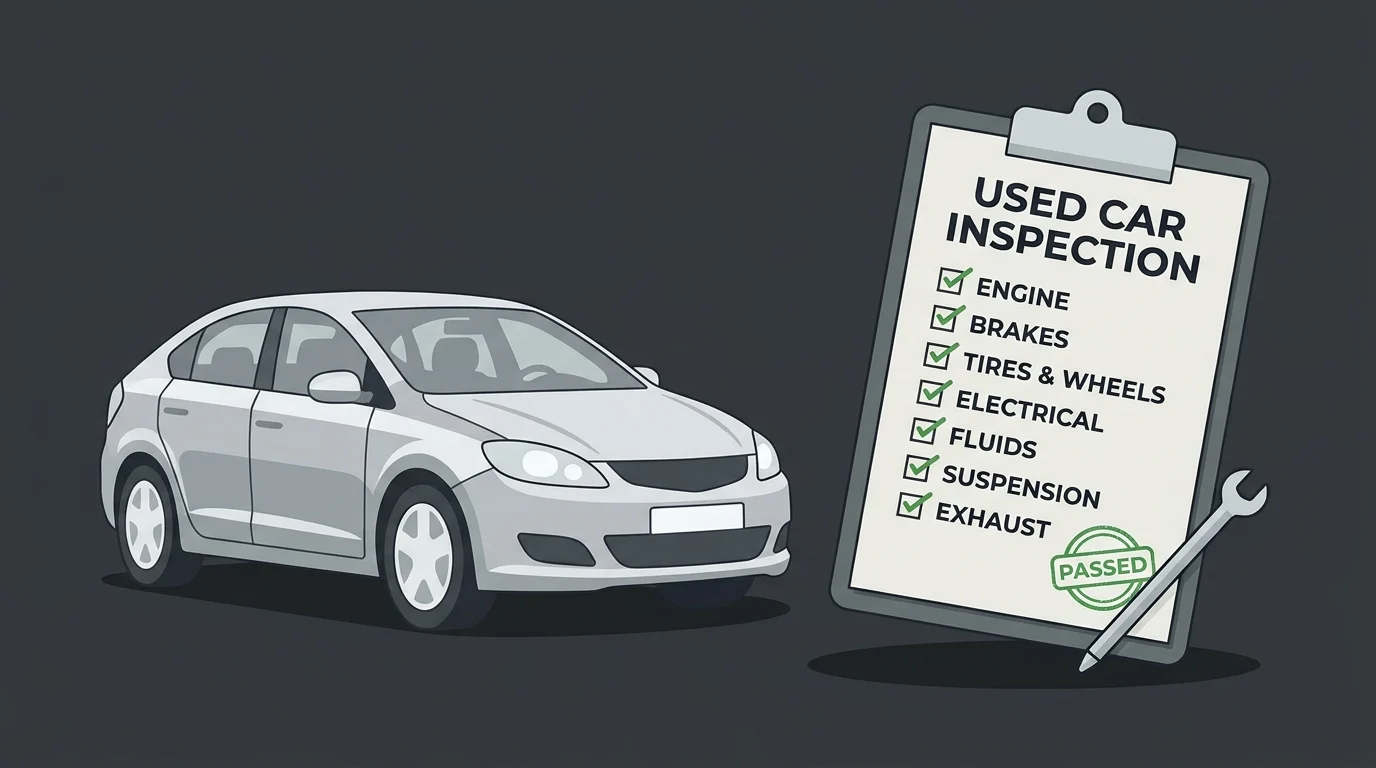
A careful checklist protects almost every rebuilt purchase. First, read the title itself and confirm it says rebuilt, not salvage. Second, get a vehicle history report and look for the total-loss event, the damage type, and any gaps in the record. Third, ask for repair documentation: photos of the original damage, parts receipts, and the inspection paperwork. Fourth, have an independent mechanic inspect the car, with special attention to the frame, airbags, brakes, and electrical systems. Fifth, confirm insurance and financing in advance, in writing, so there are no surprises after the sale. Finally, take a proper test drive, including highway speeds, hard braking, and every electronic feature.
State rules add one more wrinkle. Total-loss thresholds vary: some states declare a car a total loss when repair costs reach a lower percentage of its value, others require a higher percentage, and some leave more discretion to insurers. Inspection requirements vary too, from full safety inspections to brake, light, and VIN verification checks. Your state’s motor vehicle agency is the authoritative source for your situation.
Can a Rebuilt Title Ever Become Clean Again?
No. This is one of the most important facts about rebuilt titles, and one of the most misunderstood. Once a car carries a rebuilt brand, that brand follows it for life. No amount of additional repair, no number of clean inspections, and no change of ownership can turn it back into a clean title. Every future title, registration, and history report will show the rebuilt designation. If a seller promises otherwise, treat that as a red flag, not a selling point.
Frequently Asked Questions
What does rebuilt title mean?
A rebuilt title means a vehicle was declared a total loss, then repaired and passed a state safety inspection, making it road-legal again. The brand is permanent.
Is a rebuilt title car safe to drive?
It can be, if the repairs were done properly and the car passed inspection. An independent mechanic’s inspection is the best way to confirm safety before buying.
Can you insure a rebuilt title car?
Usually yes for liability coverage. Full coverage can be harder to obtain and may pay out less than for a clean-title car. Get quotes before buying.
What is the difference between rebuilt and salvage titles?
Salvage means totaled and not yet repaired or inspected, so it is not drivable. Rebuilt means repaired, inspected, and legal to drive.
Can a rebuilt title become a clean title?
No. The rebuilt brand is permanent and follows the vehicle for its entire life.
Conclusion
So, what does rebuilt title mean? It means a car with a past: once written off, then repaired, inspected, and returned to the road with a permanent mark on its title. That mark lowers the price, complicates insurance and financing, and demands extra homework from the buyer. But it does not automatically mean a bad car. With documented repairs, a clean inspection, and an independent check, a rebuilt-title car can be one of the smartest bargains in the used market. Know the history, verify the paperwork, and let the evidence, not the label alone, decide. You can also explore more guides on Riizzup.