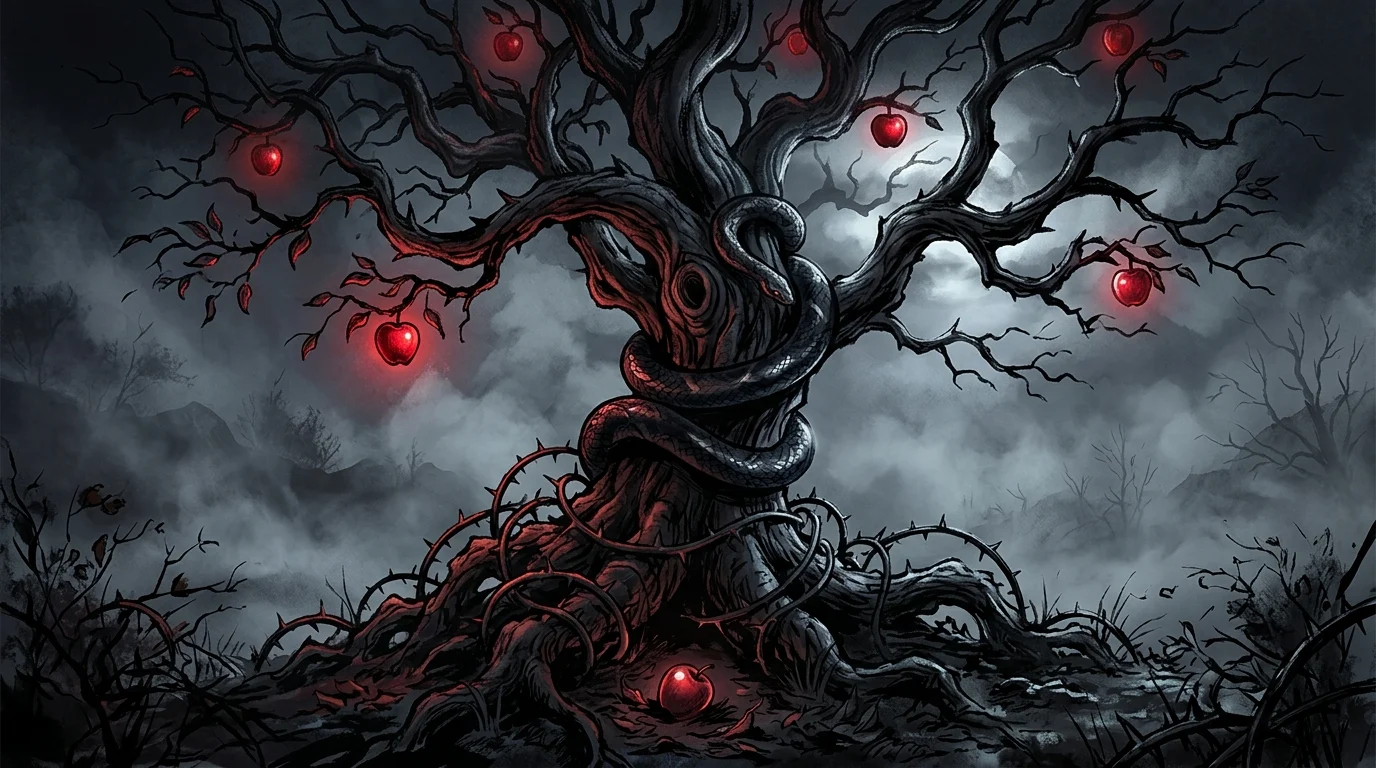
Quick Ans: Poison tree tattoo meaning is one of the most searched questions about symbolic body art. This design draws from the famous poem by William Blake, called “A Poison Tree.” The tattoo represents hidden anger, revenge, and the dangerous consequences of letting grudges grow. It appears on arms, backs, and chests as a powerful statement of personal experience.
Understanding tattoo symbolism helps you choose designs that carry real meaning. Every symbol tells a story, and the poison tree tells one of the oldest stories of all: what happens when anger is left to grow in silence. Knowing the true meaning helps you decide if this design is right for you.
What Does a Poison Tree Tattoo Symbolize?
A poison tree tattoo symbolizes hidden anger, resentment, and the consequences of revenge. The design comes from William Blake’s 1794 poem “A Poison Tree,” which tells the story of anger that is nurtured instead of resolved.
The tattoo represents the idea that suppressed emotions grow dangerous over time. When anger is watered with tears and sunned with fake smiles, it bears a poisonous fruit. That fruit eventually harms both the person who grew it and the person it was aimed at.
The design belongs to symbolic and literary tattoo styles. It fits perfectly on arms, forearms, thighs, and backs. It does not suit minimalist or geometric styles unless the meaning is adapted.
Sometimes the tattoo shows a full tree with fruit. Other times it shows only a branch, an apple, or a snake coiled around the trunk. All versions carry the same core message.
The design carries dark themes, which makes it powerful but intense. It often appeals to people who have overcome anger, betrayal, or a long-held grudge.
Where Did This Symbol Come From?
The poison tree tattoo origin traces back to William Blake’s poem “A Poison Tree,” published in 1794 in his collection Songs of Experience. The poem describes anger that is suppressed and then grows into something deadly.
The poem’s story is simple. The speaker is angry with a friend and talks about it, so the anger ends. The speaker is angry with an enemy and stays silent, so the anger grows. It becomes a tree that bears a bright apple. The enemy steals the apple and dies beneath the tree.
The poem is often interpreted as a warning about revenge, suppressed emotion, and self-destruction. Blake wrote it as part of his exploration of human psychology and morality.
Tattoo culture adopted the image because it captures a universal human experience. Everyone has felt anger they did not express. The tree became a symbol for that buried emotion and its cost.
Social media completed the journey. Pinterest, Instagram, and TikTok spread images of poison tree tattoos to millions. Today it appears in tattoo portfolios around the world.
The Core Meanings Behind the Design
This tattoo carries several layers of meaning. Understanding each layer helps you choose the right variation for you.
The most common meaning is hidden anger. The tree represents resentment that is never spoken. It grows in silence until it becomes something dangerous.
Another common meaning is revenge and its cost. The apple represents the trap that anger builds. The enemy who takes it dies, but the speaker is left with a poisoned tree. The revenge destroys both sides.
The design also represents self-destruction. The person who grows the tree is harmed by their own grudge. The tattoo can symbolize a personal battle with bitterness or a commitment to let go.
For some people, the design represents growth from pain. A dead or twisted tree can symbolize surviving something difficult. The poison becomes a reminder of what was overcome rather than what was lost.
The design can also represent betrayal. The tree often stands for a friendship or relationship that turned toxic. The apple is the moment everything fell apart.
Common Visual Elements and Their Meanings
Every part of the tattoo carries symbolic weight. Knowing the elements helps you design a piece that tells your story.
The tree is the central image. It represents the anger or grudge itself. A healthy-looking tree with bright fruit shows anger that is hidden behind a calm surface. A twisted or dead tree shows anger that has consumed everything.
The apple represents the fruit of that anger. In the poem, it is bright and tempting. In the tattoo, it often glows or stands out from the rest of the design. It is the trap that revenge sets.
The snake often appears coiled around the trunk or branches. It connects the design to the biblical Garden of Eden. It adds themes of temptation, deception, and original sin.
The roots represent how deep the anger goes. Twisted roots show a grudge that has been growing for years. Broken roots show anger that has been released.
Thorns represent the pain that anger causes. A tree covered in thorns shows that the grudge hurts everyone who touches it.
Water drops or tears often appear on the leaves. They represent the false tears and forced smiles described in the poem. The anger is watered with dishonesty.
A skull or bones at the base of the tree represent the final cost. They show what happens when the poison fruit is finally eaten.
Popular Tattoo Styles for This Design
This symbol works in several different tattoo styles. Each style changes the mood and message of the piece.
Black and grey realism is the most popular choice. It captures the dark, literary tone of the poem. Shading creates depth in the roots and branches.
Traditional and neo-traditional styles use bold lines and limited color. A bright red apple against a black tree creates strong contrast. This style works well for smaller pieces.
Fine line and minimalist styles reduce the design to its essential parts. A single branch with one apple can carry the full meaning. This style suits people who want a subtle tattoo.
Illustrative and engraved styles imitate old book illustrations. They match the poem’s 18th-century origin. Cross-hatching and linework create a vintage feel.
Surrealism allows for dreamlike variations. A tree growing from a human heart or a skull-shaped apple adds personal meaning. This style suits people who want a unique piece.
How to Use This Tattoo Meaning in Conversation
This tattoo meaning works in several different situations. Its depth is one reason it remains popular.
The most common usage is explaining a personal tattoo. A person might say “It’s from a William Blake poem about hidden anger” when someone asks. The tone is reflective and literary.
Another common usage is connecting with other fans of poetry. A person might say “I got it because of A Poison Tree” to find like-minded people. The tone is friendly and shared.
This symbol also appears in discussions about mental health. A person might say “My poison tree tattoo reminds me to talk about my feelings” to explain its personal meaning. The tone is honest and healing.
The design can also appear in memorial contexts. A person might say “I got it for someone I lost to a grudge” to honor a difficult relationship. The tone is somber and meaningful.
This Tattoo vs Similar Symbolic Designs
Several other tattoo designs overlap with this one in meaning. Understanding the differences helps you choose the right one.
The Tree of Life represents growth, connection, and vitality. The poison tree represents growth that has turned destructive. The two designs look similar but carry opposite messages.
The Ouroboros represents cycles and eternity. The poison tree represents a cycle that ends in harm. Both deal with patterns that repeat.
The broken chain represents freedom from bondage. The poison tree represents bondage to a grudge. One is about release, the other about being trapped.
The snake and apple alone represent temptation and sin. The poison tree adds the element of growth over time. It shows how temptation becomes a trap.
When This Tattoo Might Not Be Right
This design does not suit everyone. Its dark themes make it a powerful choice, but also a heavy one.
Avoid this design if you want a purely decorative tattoo. The poison tree carries strong meaning. It is not a light or casual image.
Be careful if you are currently dealing with intense anger or grief. A tattoo is permanent. Consider waiting until you have processed those feelings before committing to a design about them.
In professional settings, consider placement carefully. A large poison tree on the forearm or neck may not suit every workplace. A smaller piece on the back or thigh offers more flexibility.
In relationships, consider how the tattoo might be interpreted. A poison tree could be read as a statement about a specific person. Make sure the meaning is about your own journey, not a message to someone else.
Other Interpretations of the Poison Tree
While the Blake poem is the dominant source, the poison tree carries other meanings in different contexts. Knowing these alternatives helps avoid misunderstandings.
In some interpretations, the tree represents addiction. The fruit is the substance that seems sweet but destroys. The tattoo becomes a symbol of recovery or warning.
In others, the tree represents a toxic relationship. The roots are the early days, the fruit is the breaking point, and the dead enemy is the person who finally walked away.
In religious contexts, the tree connects to the Tree of Knowledge in the Garden of Eden. The apple is forbidden fruit. The snake is temptation. The tattoo becomes a meditation on sin and consequence.
In modern therapy culture, the tree represents unprocessed trauma. The tattoo becomes a commitment to healing rather than letting pain grow in silence.
Why This Tattoo Remains Popular
This tattoo grew alongside the rise of literary and symbolic body art. As tattoos became more personal and meaningful, people looked for designs that told deeper stories. The poison tree provided that depth.
The design also rewards literary knowledge. Only those who know Blake’s poem understand the full meaning. This insider appeal makes it feel personal and intellectual.
Mental health conversations accelerated its spread. As more people talk openly about anger, trauma, and healing, the poison tree became a visual language for those experiences.
Finally, the design is simply beautiful. Twisted branches, glowing apples, and coiled snakes make for striking tattoos. That combination ensures its continued popularity.
FAQs
What does a poison tree tattoo mean?
It symbolizes hidden anger, resentment, and the consequences of revenge. The design comes from William Blake’s poem “A Poison Tree.”
Where did this tattoo design come from?
It comes from William Blake’s 1794 poem “A Poison Tree,” part of his collection Songs of Experience. The poem describes anger that grows into something deadly when suppressed.
Is a poison tree tattoo negative?
It carries dark themes, but it can also represent healing and growth. Many people get it as a reminder to process their emotions rather than bury them.
What elements are common in this tattoo?
Common elements include a twisted tree, a bright apple, a coiled snake, thorns, roots, and sometimes a skull or bones at the base.
Can I customize a poison tree tattoo?
Yes. You can choose the style, size, placement, and elements. Many people add personal symbols like names, dates, or flowers to make it unique.
Conclusion
The poison tree tattoo meaning is deep, literary, and personal. It stands for hidden anger, revenge, and the cost of letting grudges grow. You can use it as a statement of survival, a warning, or a commitment to healing. It is a powerful design that fits the symbolic spirit of modern body art. When you see this tattoo on someone, you now know exactly what it represents. Choose it with intention, and your ink will tell a story that matters.
Discover More:-
- Pushing P Meaning: What This Viral Slang Phrase Stands For 2026
- What Does GTS Mean? Texting & Slang Explained 2026











1 thought on “Poison Tree Tattoo Meaning: Symbolism & Hidden Messages 2026”