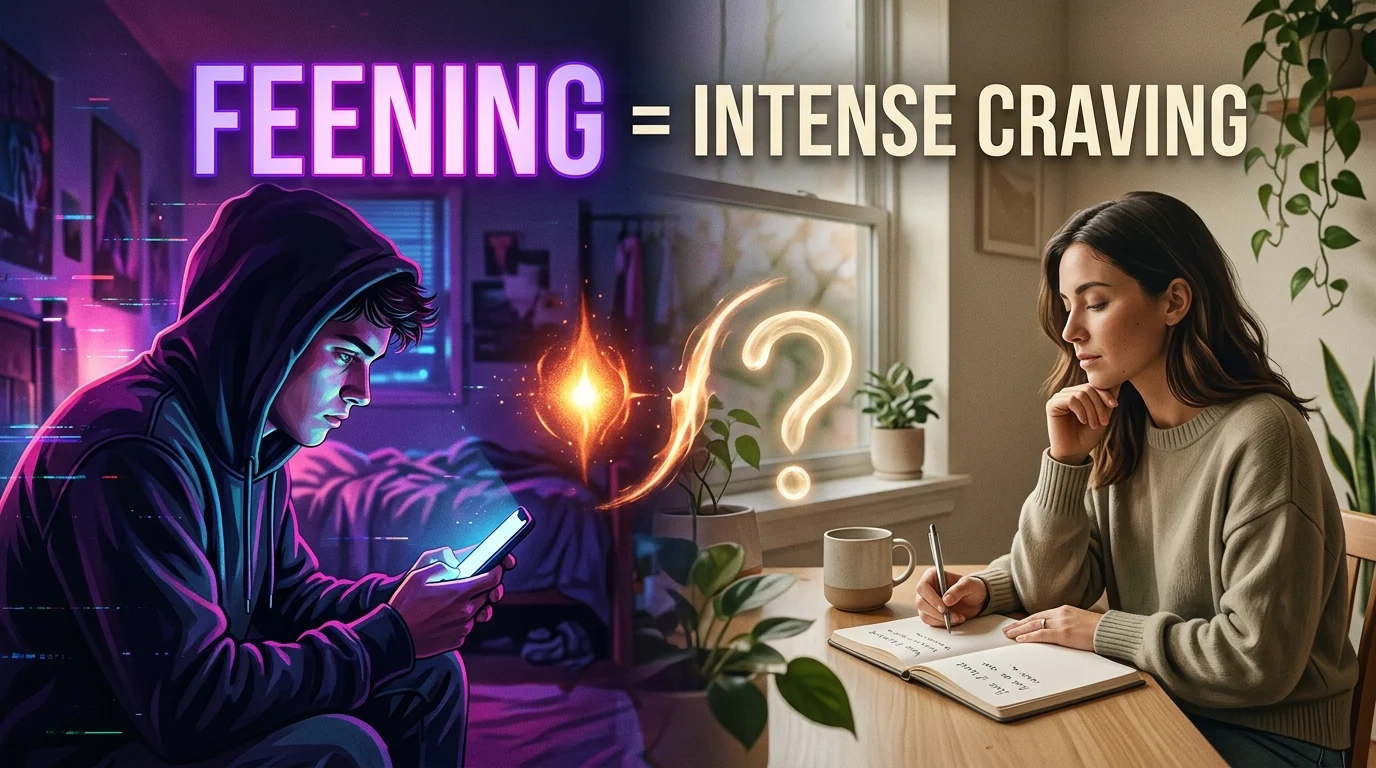
Quick Ans: Feening meaning is one of the most searched questions about modern slang terminology and contemporary vocabulary. In contemporary contexts, feening refers to an intense craving or desperate desire for something or someone, often used to describe addiction-like longing or obsessive wanting. This term has become a standard concept in online culture, addiction recovery discussions, and everyday conversations. Understanding this term helps you grasp why slang expressions vary across generations and why precise language matters in modern communication.
Understanding modern terminology helps you follow cultural trends and interpret casual discussions. New questions about word meanings appear constantly, and some become cultural touchstones. Feening is a perfect example. It has moved from street slang into mainstream media and everyday conversation. Knowing how to use it correctly helps you understand references in music, social media, and casual dialogue.
What Does Feening Mean?
Feening is a verb that describes an intense craving or desperate longing for something or someone. The term derives from “fiending” (to crave intensely), which itself comes from “fiend” (a demon or drug), creating a word for a powerful, almost uncontrollable desire.
The term belongs to both casual and serious communication. It fits perfectly in discussions about addiction, relationships, pop culture, and personal experiences. It also appears in music lyrics when describing intense desires or dependency. The tone can be humorous, serious, or empathetic.
Sometimes people confuse it with “craving” or “wanting.” Other times they use it correctly to describe an overwhelming urge. All versions relate to the same general concept. The distinction usually depends on the specific context and the exact intensity of desire.
The concept carries significant cultural and emotional weight. It connects to addiction psychology, modern slang evolution, and expressions of intense desire. Understanding the meaning helps you follow cultural discussions and interpret references in entertainment.
Where Did the Term Come From?
The feening origin traces back to African American Vernacular English (AAVE) and drug culture terminology. The term derives from “fiend” (meaning demon or drug) with the suffix “-ing” added to create a continuous action. The concept was popularized through hip-hop music, street culture, and eventually mainstream media.
The concept itself is older than the specific slang term. Intense craving and addictive behavior have existed throughout history in various forms. As drug culture and addiction became more discussed in society, people created the term to address what they saw as overwhelming dependency.
The term gained prominence in the 1990s and 2000s as hip-hop culture spread and people refined their understanding of addiction and desire. Some commentators adopted feening language because they emphasize the desperation and intensity of craving. This distinction matters because someone can technically want something without feeling desperate for it.
The concept spread through music, social media, and pop culture. Fields like psychology, addiction counseling, and sociology incorporated feening concepts into their frameworks. The term became a symbol of intense desire, dependency, and the struggle for satisfaction.
Feening in Legal Contexts and Media
The term has appeared in countless songs and media reports across every medium. Understanding these appearances helps you see how the concept evolved.
Music discussing feening dates back to the 1990s and has been referenced numerous times. The music industry has enacted significant changes in recent years, including updated lyrics and cultural references. The term became a standard part of hip-hop vocabulary.
Educational institutions increasingly reference feening and addictive behaviors. Schools distinguish feening from clinical addiction and maintain specific procedures for counseling, student support, and healthy behavior education.
News media frequently uses feening when reporting addiction trends and behavioral health. Headlines like “Gen Z is feening for digital detoxes” are common in lifestyle news. The term spread through journalism as a concise way to describe intense craving.
Health professionals use feening in therapy sessions, addiction counseling, and recovery documentation. The term serves practical purposes in clinical communication, providing a standardized reference to intense urges.
The Psychology Behind Feening
Modern psychology and addiction theory offer explanations for why people feen and maintain intense cravings. Understanding these theories helps separate scientific concepts from emotional rationalizations.
Dopamine response. Neuroscientists believe feening is designed to pursue reward rather than just enjoy pleasure. The emphasis on seeking, anticipating, and craving discourages satisfaction. This can motivate action but also create dependency.
Emotional regulation. Some psychologists emphasize the coping purpose of feening. The goal is not just pleasure but prevention of emotional pain and discomfort. This aligns with the brain’s interest in avoiding negative states.
Behavioral conditioning. Some researchers believe feening reinforces habitual patterns. The person is held responsible for their own triggers and coping mechanisms. This reflects societal expectations about self-control and willpower.
Gradual escalation. Many feening experiences include potential for intensification. Practitioners often recommend awareness, healthy alternatives, and professional support. This recognizes that cravings can develop organically rather than through conscious choice.
Cultural norms. Different generations have varying attitudes toward desire and indulgence. Feening can shape cultural norms by clearly defining intense wanting. Over time, these norms can become internalized and change expectations about satisfaction.
Feening vs Craving vs Addiction
These terms are often confused. Understanding the differences helps you use them correctly.
Feening refers to an intense craving with emotional urgency. The term is used across many contexts and emphasizes desperation. This distinction can matter because feening may include psychological dependence without clinical diagnosis.
Craving stands for a strong desire for something specific. The term is used when describing normal appetite or longing. The exact definition varies by context.
Addiction stands for a clinical condition involving compulsive behavior despite harm. The term is used when describing diagnosable substance or behavioral disorders. The choice between feening, craving, and addiction often reflects intensity and clinical significance rather than substantive differences.
In casual conversation, people sometimes use these terms interchangeably. A friend might say “I’m craving coffee” when they actually mean feening for caffeine. This is common but technically imprecise. The distinction usually depends on the specific intensity and emotional urgency.
Feening in Modern Culture
The concept has moved beyond street corners. Today it appears in music media, wellness campaigns, and everyday language.
Feening in music. Hip-hop and pop music frequently mention feening and intense desires. The term has become shorthand for overwhelming craving in song lyrics.
Feening in wellness campaigns. Organizations use the term in awareness efforts about addiction and healthy habits. The goal is to educate the public and improve behavioral health.
Feening in education. Universities and schools teach feening concepts as part of psychology, health, and sociology courses. The term appears in textbooks, case studies, and research.
Feening in online discussions. People discuss feening experiences and coping strategies on social media and forums. The term appears in conversations about addiction, mental health, and relationships.
In business and employment. Feening dynamics can affect workplace productivity, team dynamics, and corporate culture. The term appears in discussions about work addiction and professional boundaries.
When to Use the Term Feening
The term works in several different situations. Its precision makes it valuable in casual and serious contexts.
The most common usage is in casual conversation. A friend, coworker, or family member might reference feening. The tone is often humorous and relatable.
Another common usage is in music and entertainment. An artist might write “I’m feening for you” to describe romantic obsession. The tone is emotional and expressive.
The term also appears in addiction discussions. A speaker might discuss “feening behaviors” or “craving management.” The tone is clinical and analytical.
The word can also be used in social media. Someone might say “I’m feening for the weekend” when discussing their personal life. The tone is conversational and lighthearted.
How to Use Feening in a Sentence
Using the term correctly helps you communicate clearly. Here are some examples.
As a verb: “She’s feening for her morning coffee.” This is the most common usage. It describes an intense craving.
In a relationship context: “He’s been feening for her attention all week.” This usage draws on the term’s emotional origins.
In music reporting: “The rapper’s new track has fans feening for more.” This is an entertainment usage.
In education: “The course explores how feening affects decision-making.” This is an educational usage.
Plural form: “They’re all feening for concert tickets.” The plural is common, and the term is widely used in both singular and plural forms.
FAQs
What does feening mean?
Feening describes an intense craving or desperate longing for something or someone. It is a term referring to overwhelming desire that exists between normal wanting and clinical addiction.
Is feening the same as craving?
Feening and craving are similar but not identical. Feening emphasizes emotional urgency and desperation while craving focuses on strong desire. The exact definitions and usage vary by context. Some people use feening, others use craving or addiction.
What happens when someone is feening?
Feening experiences vary by person and substance or behavior. It can include obsessive thoughts, physical symptoms, emotional distress, and impaired judgment. The experience typically lacks rational control and future planning.
Can feening become addiction?
In many contexts, yes. Because feening focuses on intense craving, some evolve into clinical addiction when both brain chemistry and behavior change. Examples include recreational users who develop dependency and casual drinkers who become alcohol.
Can feening be emotionally healthy?
Validation varies by situation. Some feening works well when both people have clear expectations and open communication, while others cause anxiety and confusion. The evidence depends on the specific people, the context, and the quality of communication.
Conclusion
The feening meaning is clear and culturally significant. It refers to an intense craving or desperate longing for something or someone. You can use it in casual discussions, music reporting, and addiction conversations. It is a term that connects modern slang culture to evolving social norms. When you see feening in a song lyric or hear the term in conversation, you now know exactly what it means. Use it with precision, and your understanding of this important concept will deepen.
Discover More:
- Doppelganger Meaning: What It Really Means & Examples 2026
- Intuitive Meaning: The Complete Guide to Understanding This Powerful Word 2026