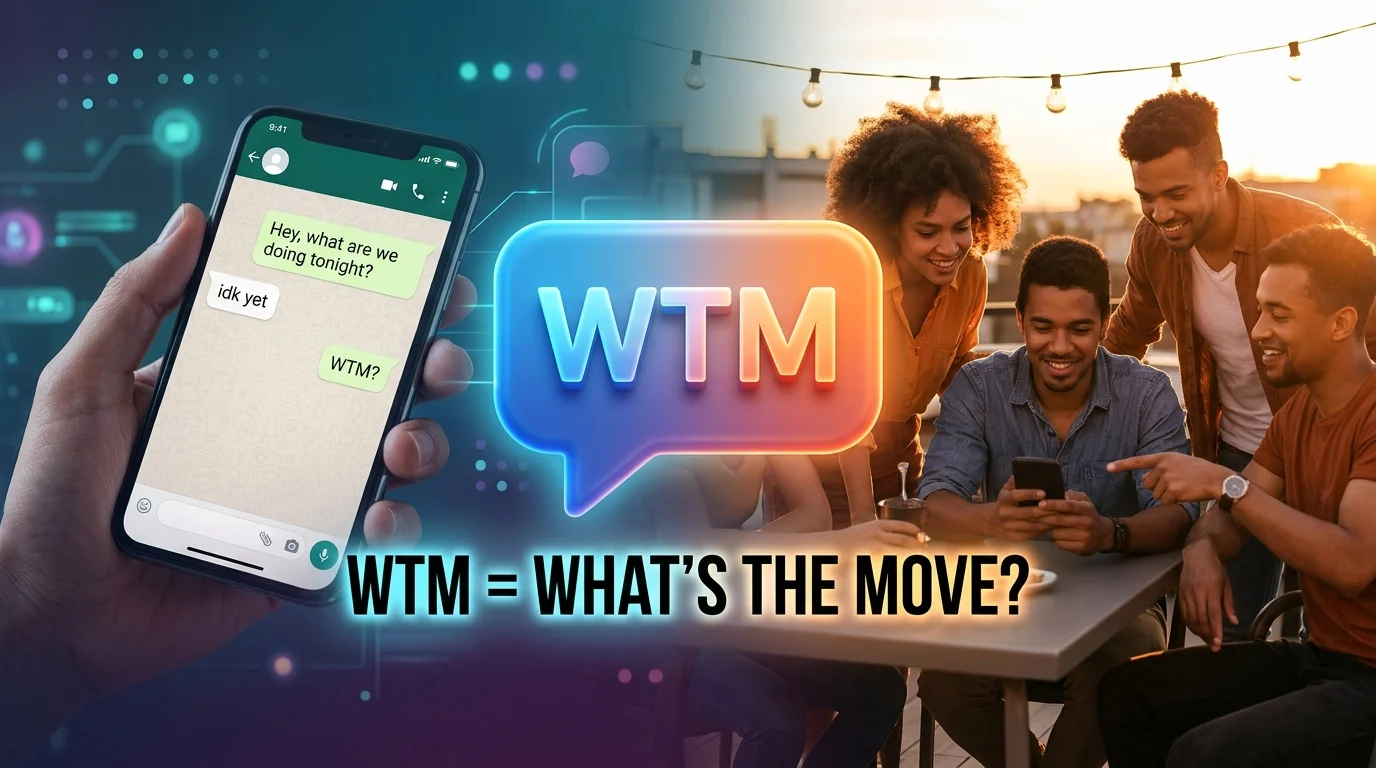
Quick Ans: WTM meaning is one of the most searched questions about modern abbreviations and internet slang. In casual communication, WTM stands for “What’s The Move?” It refers to a question asking about plans, intentions, or upcoming activities. This abbreviation has become a standard term in text messaging, social media, and everyday conversation. Understanding this term helps you grasp why slang evolves across platforms and why context matters in digital communication.
Understanding modern abbreviations helps you follow conversations and interpret online messages. New questions about acronym meanings appear constantly, and some become cultural touchstones. WTM is a perfect example. It has moved from casual texting into mainstream social media and everyday conversation. Knowing how to use it correctly helps you understand references in group chats, social media posts, and informal discussions.
What Does WTM Mean?
WTM is an abbreviation for “What’s The Move?” The phrase describes a question about upcoming plans, intentions, or activities. It is commonly used in informal communication, particularly among younger generations on platforms like Snapchat, Instagram, and TikTok.
The term belongs to both casual and social communication. It fits perfectly in discussions about weekend plans, party invitations, and social gatherings. It also appears in text messages when someone wants to know what others are doing. The tone can be casual, curious, or enthusiastic.
Sometimes people confuse it with other abbreviations. Other times they use it correctly to ask about plans. All versions relate to the same general concept. The distinction usually depends on the specific conversation and the exact context of the message.
The concept carries significant social and cultural weight. It connects to friendship dynamics, social planning, and modern communication habits. Understanding the meaning helps you follow conversations and interpret messages about social activities.
Where Did the Term Come From?
The WTM origin traces back to American internet slang and text messaging culture. The abbreviation combines “What’s” (what is), “The” (the definite article), and “Move” (plan or action).
The concept itself is older than the abbreviation. Questions about plans date back to the earliest forms of human communication. As text messaging became common, people created shortened forms to type faster. The specific abbreviation WTM emerged as a standardized slang term.
The term gained prominence in the 2010s as social media platforms refined their messaging features. Some platforms adopted character limits that encouraged abbreviation use. This distinction matters because brevity became essential in digital communication.
The concept spread through text messaging and social media. Platforms like Twitter, Snapchat, and Instagram incorporated WTM into their informal vocabulary. The abbreviation became a symbol of casual communication, social planning, and modern slang.
WTM in Social Contexts and Media
The term has appeared in countless text messages and social media posts across every platform. Understanding these appearances helps you see how the concept evolved.
Snapchat’s messaging features date back years and have been used for countless WTM conversations. The platform became known for casual, ephemeral communication. The term became a standard part of Snapchat’s informal vocabulary.
Instagram’s direct messages and story features appear in countless social interactions. The platform distinguishes WTM from other planning questions and maintains specific contexts for casual communication.
Social media frequently uses WTM when discussing weekend plans or social events. Captions like “WTM tonight?” are common on Snapchat and Instagram stories. The term spread through social media as a concise way to ask about plans.
Young people use WTM in group chats, text messages, and social media comments. The abbreviation serves practical purposes in social communication, providing a quick reference to planning questions.
The Psychology Behind WTM Usage
Modern psychology and social theory offer explanations for why people create and use WTM. Understanding these theories helps separate social concepts from public perception.
Social connection. Psychologists believe WTM usage is designed to maintain social connections. Asking about plans shows interest in others and encourages group activities. This can strengthen friendships and reduce social isolation.
Inclusivity. Some researchers emphasize the inclusive purpose of WTM questions. The goal is not just planning but ensuring everyone feels included in social activities. This aligns with human needs for belonging and acceptance.
Personal initiative. Some advocates believe WTM usage reinforces social initiative. The person asking takes responsibility for organizing or initiating plans. This reflects societal expectations about proactive social behavior.
Casual communication. Many WTM exchanges include informal language and emojis. People often use WTM in relaxed contexts where formality is unnecessary. This recognizes that communication can be both efficient and friendly.
Cultural norms. Different communities have varying attitudes toward social planning. WTM usage can shape cultural norms by clearly defining how people ask about plans. Over time, these norms can become internalized and reduce miscommunication.
WTM vs Other Abbreviations
These terms are often confused. Understanding the differences helps you use them correctly.
WTM stands for “What’s The Move?” The term is used in casual communication and emphasizes planning and social activities. This distinction can matter socially because WTM specifically asks about intentions.
WYD stands for “What You Doing?” The term is used in similar contexts and focuses on current activities. The exact definition varies by conversation.
WTB stands for “What’s The Bother?” or “Want To Buy.” The term is used in different contexts. The choice between WTM, WYD, and WTB often reflects specific conversational needs rather than substantive differences.
In casual conversation, people sometimes use these terms interchangeably. A friend might say “WYD” when the actual question was WTM. This is common but technically imprecise. The distinction usually depends on the specific context and conversational goals.
WTM in Modern Culture
The concept has moved beyond text messages. Today it appears in social media, marketing campaigns, and everyday language.
WTM in social media. Instagram and Snapchat posts frequently mention WTM questions. The abbreviation has become shorthand for social planning in online content.
WTM in marketing campaigns. Brands use the term in awareness efforts targeting younger demographics. The goal is to engage consumers and appear relatable.
WTM in online discussions. People discuss WTM usage and meanings on social media and forums. The term appears in conversations about slang, communication, and social trends.
In business and employment. WTM can also stand for “Web Traffic Management” or “Work Time Management” in professional contexts. The term appears in business documents and industry discussions.
When to Use the Term WTM
The term works in several different situations. Its casual nature makes it valuable in informal contexts.
The most common usage is in text messaging. A friend might text “WTM tonight?” to ask about plans. The tone is casual and friendly.
Another common usage is in social media. Someone might post “WTM this weekend?” on their story. The tone is informal and engaging.
The term also appears in group chats. A person might ask “WTM for Friday?” to coordinate with friends. The tone is collaborative and practical.
The word can also be used in casual conversation. Someone might say “WTM later?” when discussing evening plans. The tone is conversational and spontaneous.
How to Use WTM in a Sentence
Using the term correctly helps you communicate clearly. Here are some examples.
As a question: “WTM tonight?” This is the most common usage. It asks about evening plans.
In a social context: “WTM for the weekend?” This usage draws on the term’s social origins.
In social media: “WTM? Let me know in the comments.” This is an engaging usage.
In group chats: “WTM for Saturday? Trying to plan ahead.” This is a collaborative usage.
Plural form: “The group chat was full of WTMs.” The plural is WTMs, though the abbreviation is often used without change in plural contexts.
FAQs
What does WTM mean?
WTM stands for “What’s The Move?” It is a slang term referring to a question about plans, intentions, or upcoming activities.
Is WTM the same as WYD?
WTM and WYD are similar but not identical. WTM emphasizes “the move” or plan while WYD focuses on current activities. The exact definitions and usage vary by context.
What happens if you receive a WTM message?
Receiving a WTM message means someone is asking about your plans. You can respond with your intentions, suggestions, or questions about what they have in mind.
Can WTM mean something else?
Yes. In business contexts, WTM can stand for “Web Traffic Management” or “Work Time Management.” The meaning depends on the specific context and audience.
Is WTM appropriate for formal communication?
Generally, no. WTM is informal slang best used in casual conversations, text messages, and social media. For formal communication, use complete sentences like “What are the plans?”
Conclusion
The WTM meaning is clear and socially significant. It refers to “What’s The Move?” a casual question about plans, intentions, or upcoming activities. You can use it in text messages, social media, and casual conversations. It is a term that connects modern communication habits to social planning efforts. When you see WTM in a message or hear the term in conversation, you now know exactly what it means. Use it with precision, and your understanding of this important slang concept will deepen.
Discover More:
- What Does GTS Mean? Texting & Slang Explained 2026
- Pushing P Meaning: What This Viral Slang Phrase Stands For 2026