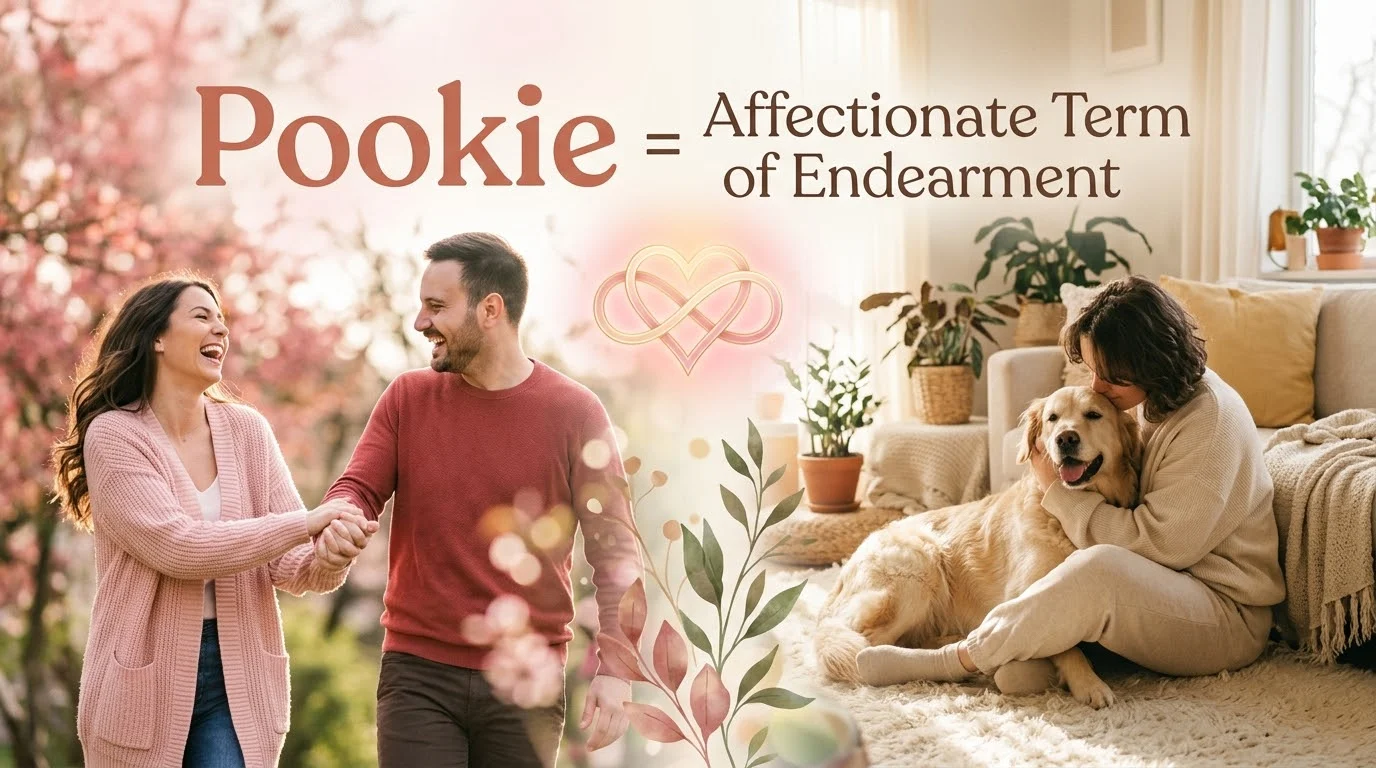
Quick Ans: Pookie meaning is one of the most searched questions about modern slang and internet vocabulary. In contemporary contexts, pookie refers to an affectionate term for a loved one, a cute pet name, or a term of endearment used between romantic partners, close friends, or even for pets. This term has become a standard concept in social media, pop culture, and everyday conversation. Understanding this term helps you grasp why terms of endearment vary across generations and why precise language matters in modern communication.
Understanding modern slang helps you follow internet trends and interpret social media discussions. New questions about word meanings appear constantly, and some become cultural touchstones. Pookie is a perfect example. It has moved from niche internet slang into mainstream media and everyday conversation. Knowing how to use it correctly helps you understand references in memes, TikTok videos, and casual chats.
What Does Pookie Mean?
Pookie is a noun that describes an affectionate term for someone you love or care about deeply. The term derives from the word “pook” or “pookie bear,” a childish and endearing way to refer to a sweet or cute person.
The term belongs to both internet culture and casual communication. It fits perfectly in discussions about relationships, friendships, and pop culture. It also appears in memes when describing adorable couples or lovable characters. The tone can be playful, romantic, or humorous.
Sometimes people confuse it with “boo” or “babe.” Other times they use it correctly to describe a cherished partner or friend. All versions relate to the same general concept. The distinction usually depends on the specific context and the exact phrasing.
The concept carries significant cultural and emotional weight. It connects to modern dating culture, internet humor, and affectionate communication. Understanding the meaning helps you follow social media discussions and interpret memes about relationships.
Where Did the Term Come From?
The pookie origin traces back to African American Vernacular English (AAVE) and Southern slang. The term combines the playful sound of “pook” with the diminutive suffix “-ie” (indicating affection). The concept was popularized through social media platforms like TikTok, Twitter, and Instagram.
The concept itself is older than its internet fame. Affectionate pet names have existed across cultures for centuries. As internet culture became more expressive, users adopted the term to address loved ones in a cute and exaggerated way.
The term gained prominence in the 2020s as influencers and content creators used it in videos and captions. Some communities adopted pookie because it emphasizes warmth and playfulness rather than formal romance. This distinction matters because someone can technically use “babe” without conveying the same level of cute devotion.
The concept spread through meme culture, fan communities, and relationship content. Platforms like TikTok, Twitter, and YouTube incorporated pookie into their slang vocabulary. The term became a symbol of affection, humor, and internet-native communication.
Pookie in Legal Contexts and Media
The term has appeared in countless social media posts and entertainment reports across every medium. Understanding these appearances helps you see how the concept evolved.
Entertainment news discussing celebrity couples dates back decades and has been revised numerous times. The field has enacted significant changes in recent years, including viral moments and fan-made edits. The term became a standard part of pop culture vocabulary.
Online communities increasingly reference pookie in memes and fan fiction. Users distinguish pookie from generic pet names and maintain specific conventions for captions, hashtags, and comment threads.
News media frequently uses pookie when reporting internet trends and viral moments. Headlines like “Fans call celebrity couple ‘pookie'” are common in entertainment news. The term spread through journalism as a concise way to describe affectionate internet culture.
Content creators use pookie in videos, podcasts, and live streams. The term serves practical purposes in online communication, providing a standardized reference to affectionate relationships.
The Psychology Behind Pookie Culture
Modern psychology and relationship theory offer explanations for why people adopt and promote affectionate pet names. Understanding these theories helps separate genuine affection from ironic usage.
Bonding. Relationship theorists believe pet names like pookie are designed to strengthen emotional connections. The emphasis on playful language, inside jokes, and shared humor deepens intimacy. This can improve relationship satisfaction and emotional security.
Social signaling. Some researchers emphasize the communicative purpose of pet names. The goal is not just affection but signaling to others that a bond exists. This aligns with the human interest in expressing belonging.
Personal identity. Some advocates believe using pookie reinforces self-expression. The person is expressing their affectionate nature and sense of humor. This reflects societal expectations about being warm and relatable.
Humor and irony. Many internet users adopt pookie ironically. Creators often use the term in exaggerated skits and memes. This recognizes that slang can be both sincere and satirical.
Cultural norms. Different communities have varying attitudes toward pet names and public affection. Pookie culture can shape norms by clearly defining cute communication. Over time, these norms can become internalized and spread across platforms.
Pookie vs Boo vs Babe
These terms are often confused. Understanding the differences helps you use them correctly.
Pookie refers to a cute, playful, and often exaggerated term of endearment. The term is used across many internet communities and emphasizes cuteness and humor. This distinction can matter because pookie can be used sincerely or ironically.
Boo stands for a romantic partner or close loved one. The term is used when describing a significant other in a slightly casual way. The exact definition varies by context.
Babe stands for an attractive partner or loved one. The term is used when describing romantic affection. The choice between pookie, boo, and babe often reflects generational and cultural differences rather than substantive ones.
In casual conversation, people sometimes use these terms interchangeably. A friend might say “He’s my pookie” when they actually mean boo or babe. This is common but technically imprecise. The distinction usually depends on the specific relationship and the tone of the speaker.
Pookie in Modern Culture
The concept has moved beyond niche internet slang. Today it appears in wellness media, self-care campaigns, and everyday language.
Pookie in news. Entertainment news reports frequently mention pookie when describing viral couples and fan favorite celebrities. The term has become shorthand for adorable affection in media coverage.
Pookie in wellness campaigns. Organizations use the term in awareness efforts about self-love and healthy relationships. The goal is to educate the public and promote emotional well-being.
Pookie in education. Universities and schools discuss pookie as part of media literacy, sociology, and communication courses. The term appears in textbooks, case studies, and research.
Pookie in online discussions. People discuss pookie couples and pookie energy on social media and forums. The term appears in conversations about dating, friendship, and fandom.
In business and employment. Pookie approaches can affect marketing campaigns, brand voice, and social media strategy. The term appears in job descriptions and professional development.
When to Use the Term Pookie
The term works in several different situations. Its precision makes it valuable in social and entertainment contexts.
The most common usage is in romantic settings. A partner, crush, or close friend might reference a pookie. The tone is playful and affectionate.
Another common usage is in news reporting. A journalist might write “The internet calls them pookie” to describe a viral couple. The tone is informative and neutral.
The term also appears in educational discussions. A speaker might discuss “pookie culture” or “pookie memes.” The tone is educational and analytical.
The word can also be used in casual conversation. Someone might say “She’s my pookie” when discussing a close bond. The tone is conversational and positive.
How to Use Pookie in a Sentence
Using the term correctly helps you communicate clearly. Here are some examples.
As a noun: “He’s my pookie.” This is the most common usage. It describes a beloved person.
In a health context: “Pookie and I are focusing on our wellness together.” This usage draws on the term’s affectionate origins.
In news reporting: “Experts discuss why pookie culture is taking over social media.” This is a journalistic usage.
In education: “The class analyzes pookie as a modern term of endearment.” This is an educational usage.
Plural form: “The pookies are out on a date.” The plural is uncommon, though the singular form is widely used.
FAQs
What does pookie mean?
Pookie describes an affectionate term for a loved one, a cute pet name, or a term of endearment used between romantic partners, close friends, or even for pets. It is a term referring to playful, warm affection.
Is pookie the same as boo?
Pookie and boo are similar but not identical. Pookie emphasizes cuteness and playful affection while boo focuses on romantic partnership. The exact definitions and usage vary by context. Some people use pookie, others use boo or babe.
What happens in pookie culture?
Pookie culture varies by community and platform. It can include cute captions, memes, couple videos, and affectionate comments. The approach typically addresses emotional connection and shared humor.
Can you be pookie without being romantic?
In many contexts, yes. Because pookie focuses on affectionate cuteness, someone can address friends, pets, or even themselves without romantic components. Examples include best friend pookies and self-love pookies.
Can pookie approaches be scientifically validated?
Validation varies by approach. Some pookie usage has strong social and psychological support, while others do not. The evidence depends on the specific relationship, the context, and the quality of research.
Conclusion
The pookie meaning is clear and culturally significant. It refers to an affectionate term considering the whole person body, mind, spirit, and emotions rather than just individual parts. You can use it in relationship discussions, news reporting, and wellness conversations. It is a term that connects playful affection to modern internet culture. When you see pookie in a meme or hear the term in conversation, you now know exactly what it means. Use it with precision, and your understanding of this important concept will deepen.
Discover More:
- Visceral Meaning: Definition, Examples & Simple Explanation 2026
- Yeshua Meaning: The Powerful Name Behind Jesus 2026